Pros and Cons of Lifted Trucks: Is a Lift Kit Worth Buying?
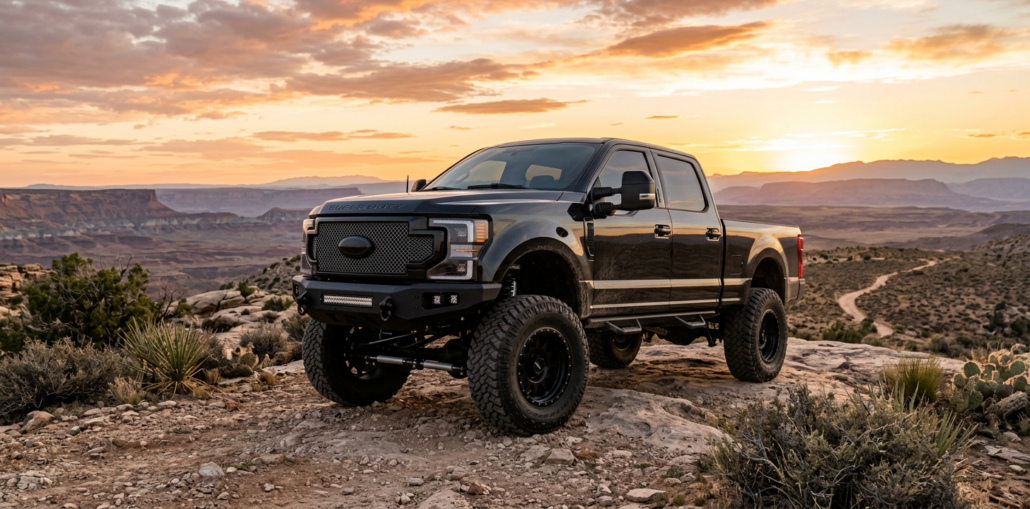
A lifted truck can make an ordinary drive feel more capable, whether you are heading out on Arizona trails, hauling gear to a job site, or simply want a pickup that stands apart in the parking lot. But a lift is not automatically the right move for every buyer. The best build matches how you actually drive, tow, park, and maintain your truck.
When we talk with shoppers considering a custom pickup, the conversation usually comes back to real-world tradeoffs. The pros and cons of lifted trucks include more ground clearance and tire options, but they can also mean higher costs, different road manners, and extra attention to setup quality. Here is how we recommend weighing the decision before you buy.
Pros and Cons of Lifted Trucks at a Glance
| Factor | Main Advantage | Main Drawback | Best Fit |
|---|---|---|---|
| Ground clearance | Better trail clearance | Higher step-in height | Off-road use |
| Larger tires | More traction and presence | Higher replacement cost | Recreation builds |
| Visibility | Broader forward view | Larger blind zones nearby | Open-road driving |
| Suspension | Room for quality upgrades | Setup quality matters greatly | Purpose-built trucks |
| Daily use | Strong custom style | Parking and loading can be harder | Buyers who accept tradeoffs |
A lift kit is not one single modification. A modest leveling kit, a two-inch suspension lift, and a heavily modified six-inch build can drive, tow, and wear parts very differently. That is why we encourage buyers to look beyond ride height and inspect the tires, shocks, steering components, alignment, lighting, and documentation behind the build.
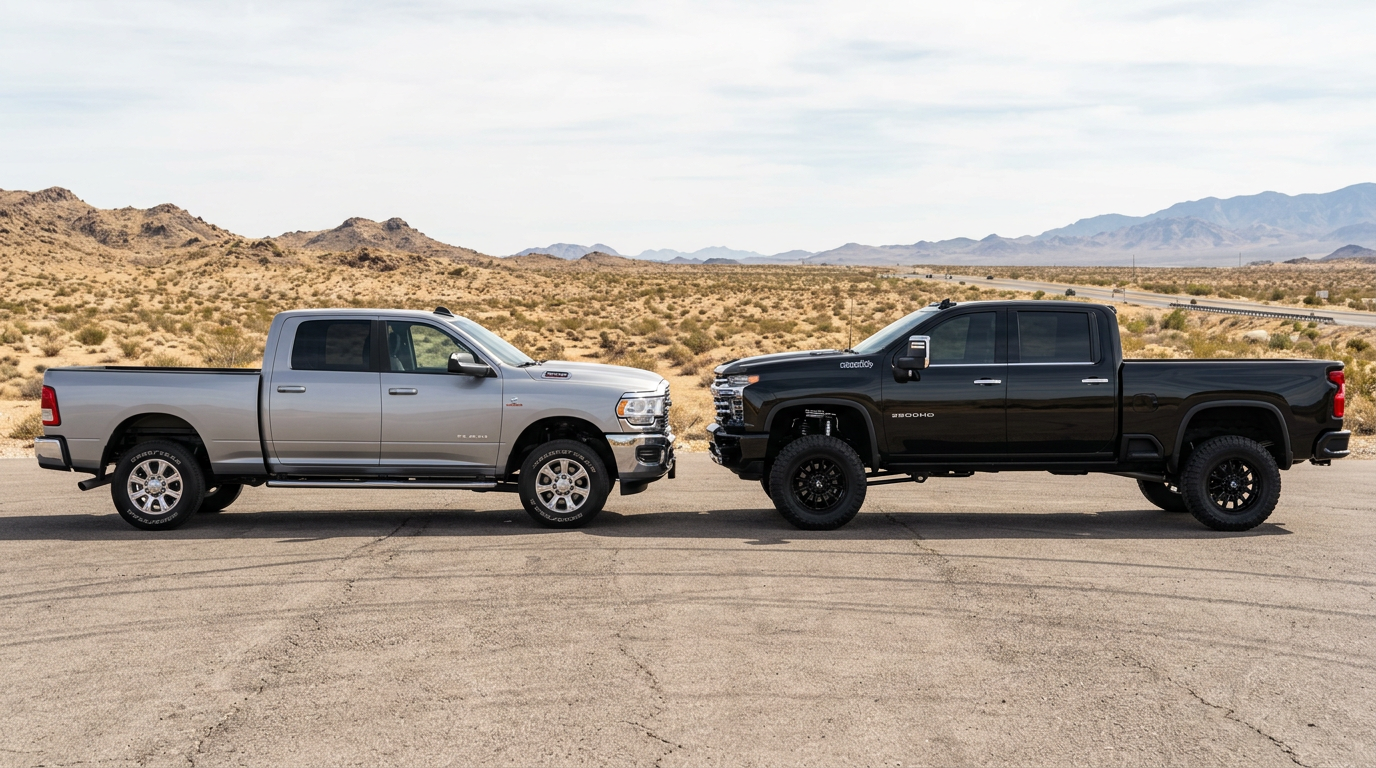
The Biggest Benefits of a Lifted Pickup
More clearance where it counts
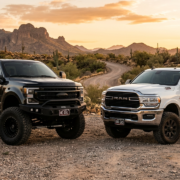
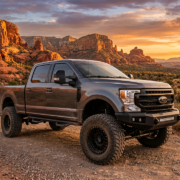
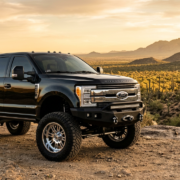
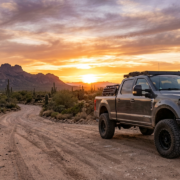
The clearest advantage is the extra room between the truck and the terrain. A properly lifted Ford Super Duty, Ram 2500, GMC Sierra HD, or Chevrolet Silverado HD can better clear ruts, rocks, uneven access roads, and loose desert terrain. That matters most for buyers who truly leave pavement, not just those who like the look.
Larger all-terrain tires can add traction and help protect the underside from obstacles. For a hunting trip, a remote work site, or a weekend trail run, that added capability can make a meaningful difference.
A more commanding look and stance
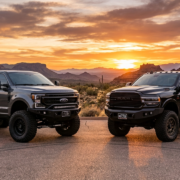
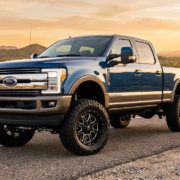
There is no need to pretend appearance does not matter. A cleanly built truck with the right wheel offset, tire package, and suspension height has serious curb appeal. It can make a pre-owned heavy-duty pickup look more purposeful while reflecting the owner’s style.
The key word is cleanly. We prefer balanced builds that retain practical tire coverage, safe steering geometry, usable entry height, and a ride that does not punish you on every Phoenix-area expansion joint.
Better room for larger tires and upgrades
A lift creates room for tire sizes that would otherwise rub at full steering lock or during suspension movement. Bigger tires can improve traction in dirt, sand, and loose gravel, while upgraded shocks may help control a truck over rough surfaces.
For buyers comparing a diesel truck for recreation and occasional towing, this flexibility is often the deciding factor. You can browse our lifted truck selection to see how different brands and lift heights come together in real builds.
Potentially better forward visibility
A higher seating position can give you a better view down the road and over low obstacles. That can be useful on trails or when navigating an unpaved work area.
Still, higher is not always better. The same lift that improves your distant view can make objects immediately in front of the bumper harder to see. A front camera, properly adjusted mirrors, and careful low-speed driving are smart additions.
The Drawbacks Buyers Should Take Seriously
Road handling changes with ride height
Here is the most important tradeoff. Raising a truck affects its center of gravity, and that can change how it responds in quick lane changes, sharp curves, and emergency maneuvers. The National Highway Traffic Safety Administration explains that rollover resistance is tied to how top-heavy a vehicle is and how vulnerable it is to tipping during a severe driving maneuver.
That is not a reason to avoid every lift. It is a reason to buy a thoughtfully engineered build, use quality components, and drive it like the taller, heavier vehicle it is. In the federal agency’s 2024 fatal-crash data, rollovers were involved in 53.4 percent of single-vehicle pickup occupant fatalities, a reminder that truck stability deserves respect even before modifications are considered. National Highway Traffic Safety Administration
Fuel economy and operating costs can rise
Bigger, heavier tires take more effort to roll. Added aerodynamic drag and changed gearing can also affect fuel use, especially at highway speeds. The impact varies by truck, tire weight, diesel versus gas engine, driving speed, and lift height, but you should budget for a change rather than assume nothing will happen.
Tires are another ongoing expense. Larger premium all-terrain or mud-terrain tires typically cost more than stock-size replacements, and keeping them properly rotated and aligned matters even more.
Towing and payload need a closer look
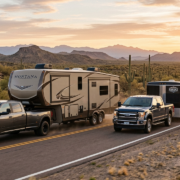
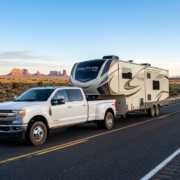
A heavy-duty truck can still be a strong tow rig after a lift, but buyers should never assume the lift improves towing. The truck’s published tow rating, payload rating, tire load rating, hitch setup, axle ratio, and trailer weight all matter. Tall tires may also change effective gearing and affect launch feel, braking behavior, and transmission shift patterns.
For frequent fifth-wheel or equipment-trailer use, a moderate lift or leveling setup is often easier to live with than an extreme build. We recommend matching the truck to the load first, then choosing the suspension and tire package around that job. Compare available diesel trucks and work trucks with your actual trailer and cargo needs in mind.
Everyday access, parking, and loading become harder
A tall truck can be less convenient in the moments nobody puts in a social-media video. Climbing into the cab, loading a bed, reaching a roof rack, fitting into a garage, and parking in a low-clearance structure all take more planning.
Power running boards, bed steps, grab handles, and a backup camera can make a lifted truck far more usable. If you regularly carry kids, older passengers, or job-site equipment, try the truck in person before committing.
Poorly executed builds create expensive problems
The lift itself is not the issue. Cheap parts, rushed installation, poor alignment, incorrect driveshaft angles, worn ball joints, unadjusted headlights, or mismatched tires are where frustration starts. A clean service history and a professional pre-purchase inspection matter on any used truck, but they matter even more on a modified pickup.
We suggest reviewing the brand of lift components, checking for tire rubbing, looking under the truck for leaks or damaged boots, and taking a thorough road test. Listen for vibration under acceleration, wandering at highway speed, clunks over bumps, or steering that fails to self-center.
How to Choose the Right Lift Height
Leveling kit or mild lift
A leveling kit or modest suspension lift is usually the practical choice for drivers who want a more aggressive stance and room for slightly larger tires without transforming the truck’s daily behavior. It works well for many Arizona commuters, occasional trail users, and buyers who still need convenient garage access.
Moderate lift for mixed recreation
A moderate lift can suit buyers who spend real time on rough roads, desert trails, or remote campsites. It offers more clearance and tire options while remaining manageable if the suspension, steering, and alignment are done correctly.
Tall lift for a specialized build
A tall lift makes the strongest visual statement, but it asks the most from your budget and your driving habits. It may be a great fit for a dedicated recreational truck, yet it is rarely the simplest choice for frequent towing, dense-city parking, or daily commercial use.
For any height, ask one honest question: will this truck spend more time crossing rough terrain or sitting in traffic? Your answer should shape the build.
Arizona Rules and Nationwide Considerations
Arizona is friendly to truck customization, but that does not mean equipment details are optional. Arizona law specifically addresses rear splash guards for certain pickup trucks modified from their original bumper-height design to raise the vehicle’s center of gravity. The guard must meet the statute’s coverage requirements, so tire exposure and mud-flap fitment should be part of your buying checklist. Arizona Revised Statutes
Arizona also restricts raising or lowering a vehicle by mechanical means while traveling on a highway above 15 mph. Arizona Revised Statutes If you live outside Arizona or plan to move, check your home state’s requirements before purchase because rules on bumper height, tire coverage, lighting, inspections, and suspension changes can differ.
A Smart Pre-Purchase Checklist for Lifted Trucks
Before you buy, we recommend that you:
- Confirm the lift manufacturer, height, and installation records.
- Inspect shocks, control arms, steering linkage, ball joints, boots, and bushings.
- Verify tire size, tire load rating, wheel offset, and wheel bearing condition.
- Check for rubbing at full steering lock and over suspension travel.
- Test braking, highway tracking, acceleration, and vibration at different speeds.
- Make sure headlights are aimed correctly and all lights work as intended.
- Review payload and towing needs before selecting a tall tire package.
- Request an independent inspection if the build history is unclear.
If the exact truck you want is hard to locate, our vehicle finder service can help narrow the hunt around your preferred brand, lift height, diesel engine, budget, and intended use.
Frequently Asked Questions
Are lifted trucks good daily drivers?
They can be, especially with a mild or moderate lift, quality shocks, proper alignment, and sensible tire sizing. The larger the lift and tire package, the more you should expect changes in comfort, fuel use, parking convenience, and handling.
Do lifted trucks cost more to insure?
Insurance cost depends on the insurer, location, truck value, driving record, and declared modifications. Let your insurer know about the lift, wheels, tires, and aftermarket equipment so you understand coverage before you buy.
Can a lifted truck still tow a fifth wheel or equipment trailer?
Yes, but the setup must be matched carefully. Tow rating, payload, hitch height, tire load rating, trailer balance, braking, and effective gearing all matter. For frequent heavy towing, a modest lift is often the more practical choice.
Is a diesel truck better for a lifted build?
A diesel can be an excellent fit for a lifted heavy-duty pickup because of its torque and long-distance towing ability. However, diesel ownership also brings different maintenance and operating considerations, so the best option depends on how much you tow and drive.
What is the best lift height for a used truck?
For most buyers, a mild or moderate lift provides the best balance of appearance, capability, and daily usability. A taller lift makes more sense when off-road clearance and a specialized look outweigh convenience and towing simplicity.
Should we avoid a used lifted truck with aftermarket parts?
Not necessarily. A professionally built truck with recognizable components, records, good alignment, and a clean road test can be a great purchase. We would be more cautious with undocumented modifications, worn suspension pieces, tire rubbing, vibration, or questionable steering behavior.
Find a Lifted Truck That Fits the Way You Drive
The right truck should feel exciting without forcing you to compromise on the work, towing, or daily driving that matters most. At Unique Trucks, we help buyers compare pre-owned custom pickups, diesel-powered heavy-duty trucks, and practical work-ready options with a straightforward approach.
View current inventory, get pre-qualified, or contact the Unique Trucks Team to discuss the right build for your needs. We can also assist with trade-ins and nationwide truck shipping.
Final Thoughts
The real answer to the pros and cons of lifted trucks is not simply that lifted is better or worse. A well-built lifted Ford Super Duty, Ram Heavy Duty, Silverado HD, or Sierra HD can be a capable, distinctive truck that handles trails and tough terrain with confidence. Just make sure the height, tires, suspension, and maintenance commitment make sense for your daily life.
When you buy based on your actual needs instead of only the look, you are far more likely to enjoy the truck long after the first drive.
About Unique Trucks
Unique Trucks is a family-owned dealership with over 20 years of experience serving truck buyers from Scottsdale, Phoenix, throughout Arizona, and across the United States. The dealership specializes in quality pre-owned lifted trucks, diesel trucks, work trucks, heavy-duty pickups, custom builds, and used SUVs.
The Unique Trucks Team offers competitive financing, trade-ins, vehicle sourcing, and nationwide shipping to help customers find the right truck with a no-pressure buying experience.
Browse the current inventory, get pre-qualified, or call (480) 210-2660 to speak with the Unique Trucks Team today.