Truck Buying Tips for First-Time Buyers: Make a Smart Choice
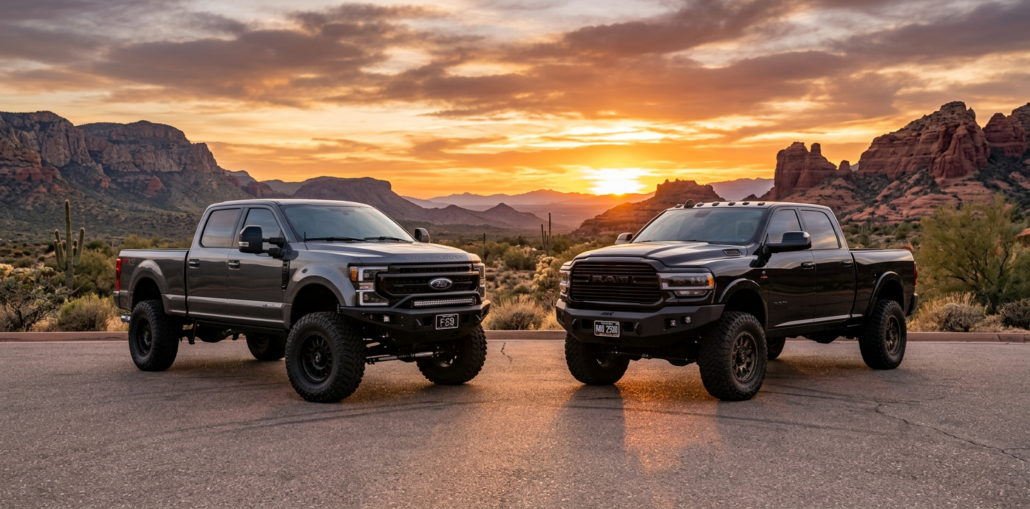
A truck can be one of the most useful vehicles you will ever own, but buying more capability than you need can cost you for years. The right first truck should fit your real work, towing, weekend, and daily-driving needs without stretching your payment or leaving you with a vehicle that is difficult to park, fuel, or insure.
These truck buying tips for first-time buyers start with a simple rule: shop by the job you need the truck to do, not by the biggest number on the badge. A half-ton pickup can be an excellent daily driver and occasional tow rig, while a heavy-duty diesel makes more sense for frequent trailer use, commercial work, or serious payload demands.
Start With Your Real Truck Job
The best first truck is the smallest truck that comfortably handles your heaviest normal task. Before comparing Ford, Chevrolet, GMC, and Ram pickups, write down how you will use the truck most weeks and how often you will need maximum capability.
Ask yourself these practical questions:
- Will we tow a trailer, boat, fifth wheel, or equipment?
- What is the heaviest loaded trailer we expect to pull?
- Will we carry tools, materials, motorcycles, or a slide-in camper in the bed?
- Is this also our everyday commuter or family vehicle?
- Do we need four-wheel drive for Arizona backroads, job sites, travel, or weather elsewhere?
- Do we want a stock-height truck, or do we value the look and ground clearance of a lifted build?
A buyer who tows a small utility trailer a few times per year has different needs from a contractor hauling equipment every week. Matching the truck to that difference helps avoid paying for capability you will rarely use.
| Truck Type | Best Fit | Main Advantage | Consider Before Buying |
|---|---|---|---|
| Half-ton gas truck | Daily driving, light towing | Easier to live with | Lower payload and towing limits |
| Heavy-duty gas truck | Workloads and moderate towing | Strong capability, simpler fuel choice | Firmer ride and larger size |
| Heavy-duty diesel | Frequent towing and long hauls | High torque and confident towing | Higher purchase and service costs |
| Dually truck | Large fifth wheels and heavy payload | Stability and serious capacity | Wider rear fenders, tougher parking |
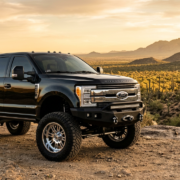
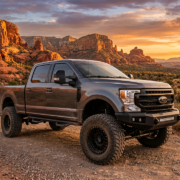
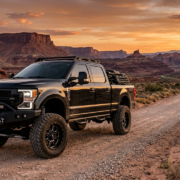
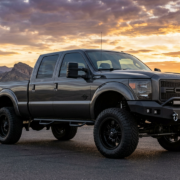
For shoppers who need extra ground clearance, larger tires, and a more aggressive stance, review the available custom lifted truck options after deciding how the suspension, tire size, and bed height fit your actual use.
Choose Half-Ton or Heavy-Duty Before Choosing a Brand
Choosing the right truck class matters more than choosing a favorite grille. Half-ton pickups are usually easier to drive and more comfortable for commuting, while three-quarter-ton and one-ton trucks bring stronger frames, suspensions, brakes, and payload capacity for demanding work.
When a Half-Ton Truck Makes Sense
A Ford F-150, Chevrolet Silverado 1500, GMC Sierra 1500, Ram 1500, or Toyota Tundra can be a smart fit if we mostly drive around town, haul weekend projects, and tow within its specific ratings. These trucks are often more manageable in parking garages and suburban driveways.
Do not assume every half-ton has the same capability. Engine, cab, bed, axle ratio, drivetrain, wheels, and factory tow equipment can change towing and payload ratings substantially. Check the truck's specific door-jamb payload label and towing information rather than relying on a model-wide headline number.
When We Should Step Up to a Heavy-Duty Truck
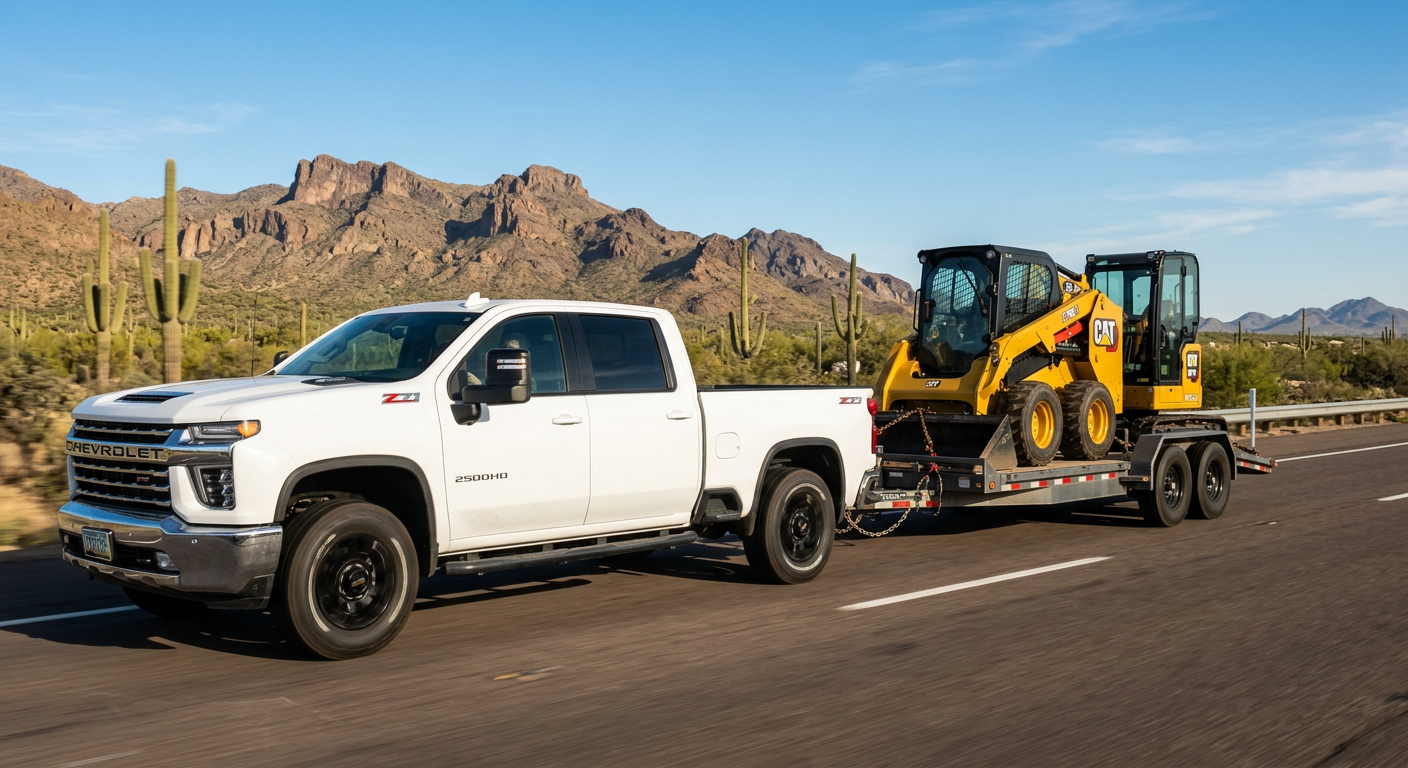
A Ford F-250 or F-350 Super Duty, Chevrolet Silverado 2500HD or 3500HD, GMC Sierra 2500HD or 3500HD, or Ram 2500 or 3500 is a better starting point when towing is routine rather than occasional. These are also strong choices for work trailers, equipment, larger campers, and heavier bed loads.
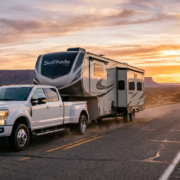
A dually is not automatically the right answer. Its wider rear axle and extra tires can add confidence for heavy fifth-wheel towing and larger payloads, but it takes more room to park and live with every day. Buy it because the payload and trailer setup call for it, not just because it looks tough.
Diesel vs. Gas: Buy for Your Driving Pattern
Diesel is usually worth considering for buyers who tow heavy loads regularly, cover long highway distances, or need sustained pulling power. A gas engine can be the better first-truck choice for lighter workloads, shorter trips, and buyers who want a lower initial cost.
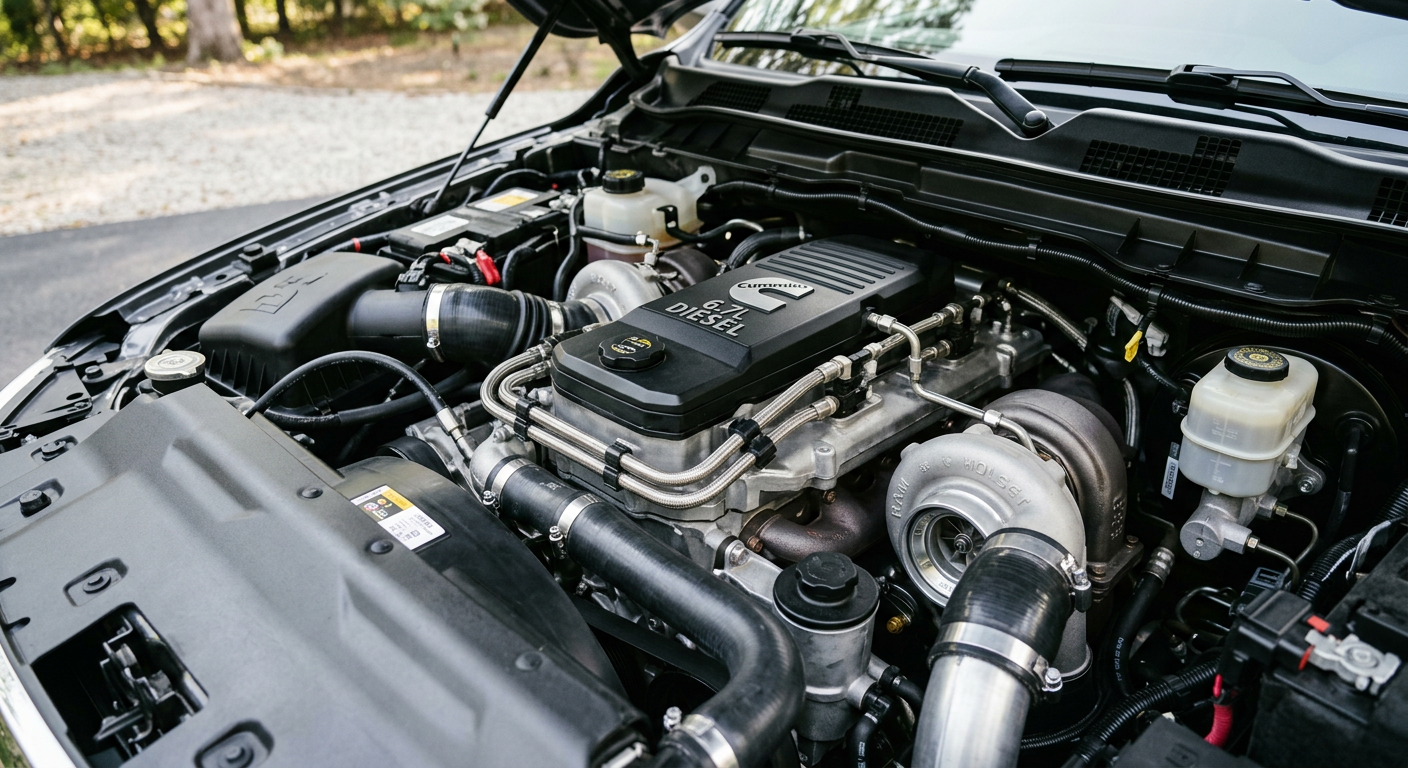
Ford Power Stroke, Ram Cummins, Chevrolet Duramax, and GMC Duramax diesel trucks are respected choices for heavy towing and commercial use. Diesel torque, exhaust braking, and long-distance pulling confidence are major benefits, but a diesel truck typically costs more to purchase and maintain. Modern emissions equipment also rewards owners who drive long enough for the system to operate as intended.
For a first-time owner who only tows a few weekends each year, a gas-powered F-250, Silverado 2500HD, Sierra 2500HD, or Ram 2500 can provide substantial capability without making diesel ownership a requirement. For frequent trailer work, explore the current selection of pre-owned diesel trucks and compare the truck's equipment, condition, mileage, and maintenance history.
Set a Total Ownership Budget, Not Just a Payment
Your monthly payment matters, but it is only one piece of the ownership cost. Build your budget around the out-the-door price, down payment, interest rate, term length, insurance, fuel, registration, tires, and the accessories you may want after purchase.
According to Experian’s Q1 2026 auto finance report, the average used-vehicle loan amount was $27,070 and the average used-vehicle payment was $531. The same report found the average used loan term was 67.73 months. That is a useful reminder to compare the total amount financed and total interest, not only the payment shown on a worksheet.
Use This Simple Payment Test
Before you settle on a truck price, decide on three numbers:
- Comfortable monthly payment: A payment that still leaves room for fuel, insurance, savings, and normal life expenses.
- Available down payment: More money down can reduce the financed balance and interest paid, although you should preserve an emergency fund.
- Maximum total budget: Include tax, title, registration, insurance changes, and any needed equipment such as a hitch, bed cover, or trailer brake controller.
A longer term can lower the monthly payment, but it also raises total interest and can make it harder to build equity early. If a truck only works with an extremely long loan term, consider a lower-priced model, a different trim, or more time to save a down payment.
Review the Truck Like a Working Tool
A good used truck inspection looks beyond shiny paint and big tires. We recommend taking time to verify the condition, configuration, and paperwork before committing to a purchase.
Check the Details That Affect Value and Use
Focus on the items that influence ownership and truck capability:
- Confirm the VIN, title status, vehicle-history information, and service records when available.
- Check tire age, tread wear, alignment, brakes, shocks, steering feel, and suspension components.
- Inspect the bed, hitch receiver, trailer plug, tailgate, frame area, and underbody for signs of hard use or corrosion.
- Test four-wheel drive, tow-haul mode, backup camera, trailer brake controller, lights, climate controls, and infotainment.
- On a diesel, ask about maintenance records and inspect for warning lights, leaks, unusual exhaust behavior, or rough operation.
- On a lifted truck, look closely at the quality of the lift, steering geometry, tire clearance, alignment, and the condition of aftermarket components.
A road test should include city speeds, highway speeds, braking, tight parking maneuvers, and rougher pavement when possible. If you plan to tow, sit in the truck and make sure the mirrors, seating position, visibility, and controls feel right for the job.
The Federal Trade Commission explains that a dealer should provide a Buyers Guide for used vehicles, which identifies whether the vehicle is sold with a warranty or as-is and directs shoppers to ask about inspection rights. Review the FTC used-car buying guidance before signing your paperwork.
Shop the Configuration, Not Only the Trim Level
A higher trim can add comfort, technology, leather, premium audio, and upscale styling. Still, configuration is usually more important to a truck buyer than trim level alone.
Prioritize the cab, bed, engine, drivetrain, axle setup, towing equipment, and payload rating that fit your needs. A well-equipped XLT, LT, SLE, Tradesman, or Big Horn with the right mechanical setup can be a better buy than a luxury trim that lacks the capability you need.
For example, an Arizona buyer who carries tools but rarely has rear passengers may prefer a regular or extended cab with a longer bed. A family that travels with a trailer may value a crew cab, rear-seat comfort, camera technology, and a factory-installed brake controller. There is no universal best configuration, only the setup that makes your everyday truck life easier.
Make Financing and Trade-In Decisions Early
Knowing your financing range before picking a truck gives you more control over the buying process. It helps you compare vehicles with a real budget and keeps the conversation focused on the truck, the terms, and the total amount financed.
At Unique Trucks, first-time buyers can get pre-qualified for truck financing online to review personalized options without an impact to their credit score. If you have a current vehicle, request a value through the sell or trade your vehicle page before assuming it has little value.
If the truck you want is not currently available, use the Truck Finder request form to share the year, make, model, mileage range, and features that matter most. That is often more productive than settling for a truck that is close, but not truly right.
Questions First-Time Truck Buyers Ask
Should a first-time truck buyer get a diesel?
A diesel is a strong choice if you will tow heavy loads often or make long highway trips with a trailer. If your use is mostly commuting, light hauling, and occasional towing, a gas truck may offer a simpler and less expensive ownership experience.
Is a lifted truck harder to own every day?
It can be, depending on lift height and tire size. Larger tires, a higher step-in height, wider stance, fuel use, garage clearance, and parking should all be considered before choosing a lifted pickup.
How much truck do I need for a travel trailer?
Match the truck to the trailer's loaded weight, hitch weight, cargo, passengers, and the truck's specific payload and tow ratings. Do not shop using dry trailer weight alone, because camping gear, water, passengers, and accessories add up quickly.
Is a dually necessary for fifth-wheel towing?
Not always. A single-rear-wheel heavy-duty truck may be enough for many fifth wheels, but a dually can offer needed payload capacity and stability for larger pin weights and heavier trailers. Verify the truck's door-jamb payload rating before deciding.
What credit score do I need to finance a used truck?
There is no single minimum score that applies to every lender or buyer. Approval and terms can depend on income, down payment, debt, vehicle age, loan amount, and credit history, so pre-qualification is a useful early step.
Can I buy a truck in Scottsdale if I live outside Arizona?
Yes. Out-of-state buyers can shop online, confirm the truck details, arrange paperwork, and use nationwide truck shipping options to have the vehicle delivered from Scottsdale.
Put Your First Truck Purchase on Solid Ground
A smart truck purchase comes down to an honest job description, a complete budget, and careful review of the individual vehicle. Decide what you must tow, carry, and drive every week, then choose the cab, bed, engine, and capability that serve those needs without creating unnecessary cost.
The first truck does not have to be the biggest truck on the road. It has to be the truck you can use confidently, afford comfortably, and enjoy owning for the miles ahead.
Find a Truck That Fits the Work
We are happy to help first-time buyers compare gas, diesel, lifted, and heavy-duty truck options without pressure. Browse the current truck inventory, get pre-qualified, or call (480) 210-2660 to speak with the Unique Trucks Team in Scottsdale.
About Unique Trucks
Unique Trucks is a family-owned dealership with over 20 years of experience serving truck buyers from Scottsdale, Phoenix, throughout Arizona, and across the United States. The dealership specializes in quality pre-owned lifted trucks, diesel trucks, work trucks, heavy-duty pickups, custom builds, and used SUVs.
The Unique Trucks Team offers competitive financing, trade-ins, vehicle sourcing, and nationwide shipping to help customers find the right truck with a no-pressure buying experience.
Browse the current inventory, get pre-qualified, or call (480) 210-2660 to speak with the Unique Trucks Team today.