Diesel vs Gas Truck Towing: Which Heavy-Duty Pickup Wins for You
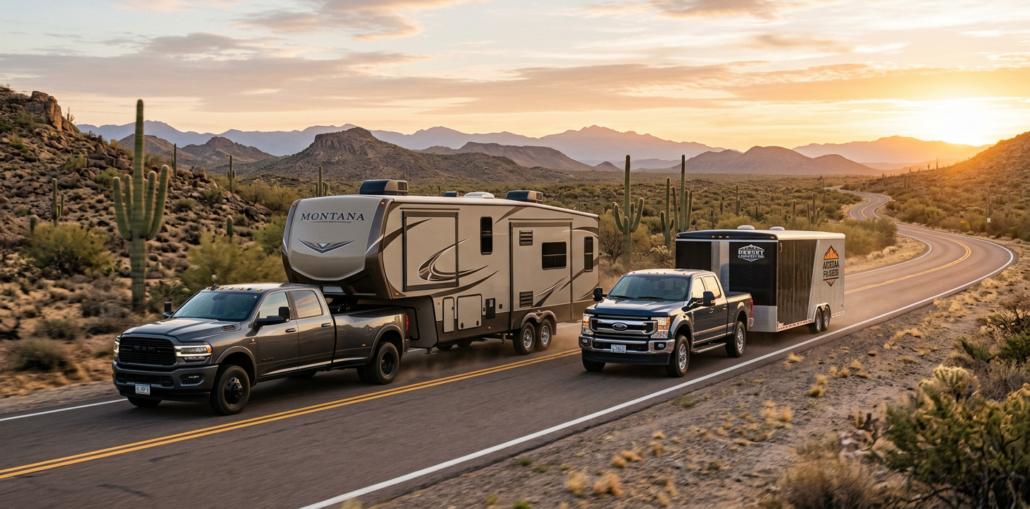
Choosing the right tow rig gets confusing fast because spec sheets don’t tell the whole story. A gas truck can look like the smart buy on price, while a diesel can feel unbeatable the first time you pull a loaded trailer up a long grade.
That’s why diesel vs gas truck towing isn’t really about which engine is “better.” It’s about your trailer weight, how often you tow, where you drive, and how much long-term ownership cost you’re willing to absorb.
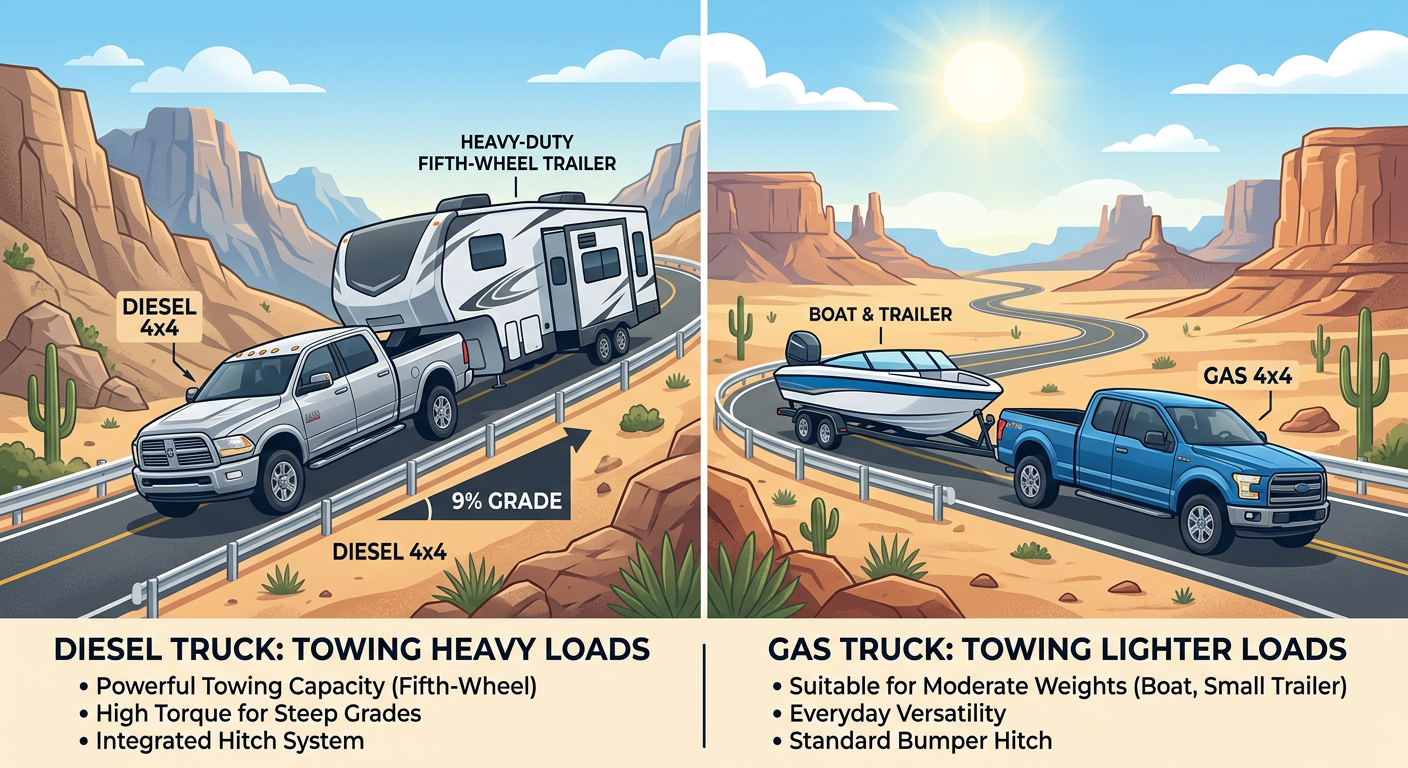
Here’s the thing. If you tow a boat a few weekends a year, gas may make more sense. If you tow heavy equipment, fifth-wheel campers, horse trailers, or work loads across Arizona heat and mountain grades, diesel starts making a much stronger case.
Diesel vs Gas Truck Towing at a Glance
| Factor | Diesel Truck | Gas Truck | Best Fit |
|---|---|---|---|
| Heavy towing | Strong advantage | Capable, but works harder | Diesel |
| Upfront cost | Higher | Lower | Gas |
| Low-rpm torque | Excellent | Good | Diesel |
| Maintenance cost | Higher | Usually lower | Gas |
| Daily driving | Good, but heavier | Easier and simpler | Gas |
| Long-distance towing | Excellent | Good | Diesel |
Modern heavy-duty pickups are more capable than ever. For example, Ford lists a 2026 Super Duty maximum available gooseneck tow rating of 40,000 pounds on properly equipped diesel models through Ford Super Duty towing information. Chevrolet lists up to 36,000 pounds of max available trailering for the 2026 Silverado HD through Chevrolet Silverado HD specs, while Ram owner information lists gooseneck ratings up to 37,100 pounds for 3500 models through Ram 2500 and 3500 towing information.
Those big numbers matter, but they only apply to specific configurations. Cab size, bed length, axle ratio, drivetrain, trim, hitch type, payload, and tire ratings can change the real-world answer dramatically.
Why Diesel Trucks Tow So Well
Diesel engines are built around torque, and torque is what you feel when a trailer starts moving from a stop or when you’re holding speed on a climb. A turbo-diesel doesn’t need to rev as high to make serious pulling power, so towing often feels calmer and more controlled.
That matters if you’re towing through Arizona, Colorado, Utah, or any route with heat, elevation, and long grades. A diesel heavy-duty pickup typically feels more relaxed under load because it can keep the engine in a lower-rpm power band.
Many diesel HD trucks also include or offer exhaust braking. That’s a major advantage when descending grades because it helps control speed without leaning as hard on the service brakes.
Diesel Makes the Most Sense When You Tow Often
If your trailer is heavy and hooked up regularly, diesel becomes easier to justify. Think gooseneck equipment trailers, toy haulers, large fifth-wheel campers, enclosed race trailers, livestock trailers, and commercial loads.
You’ll usually pay more upfront, and diesel maintenance can cost more. But if towing is part of your weekly life, the improved pulling confidence, range, and high-load performance can outweigh the higher cost.
Where Gas Trucks Still Win
Gas trucks deserve more credit than they get. Today’s gas-powered 2500 and 3500 pickups can tow serious weight, and for many buyers, they’re the smarter financial move.
A gas truck usually costs less to buy, is simpler to maintain, and can be easier to live with if you spend most days unloaded. If your towing is occasional, a gas engine may do everything you need without the added diesel premium.
Gas Is Great for Moderate Loads
If you’re towing a side-by-side trailer, small travel trailer, landscaping trailer, utility trailer, or fishing boat, a gas heavy-duty truck may be plenty. You might hear the engine rev more on hills, but that doesn’t mean it’s struggling if you’re within the rated limits.
The main tradeoff is effort. Gas engines often make peak power higher in the rpm range, so they may downshift more and sound busier while towing.
The Payload Trap Most Buyers Miss
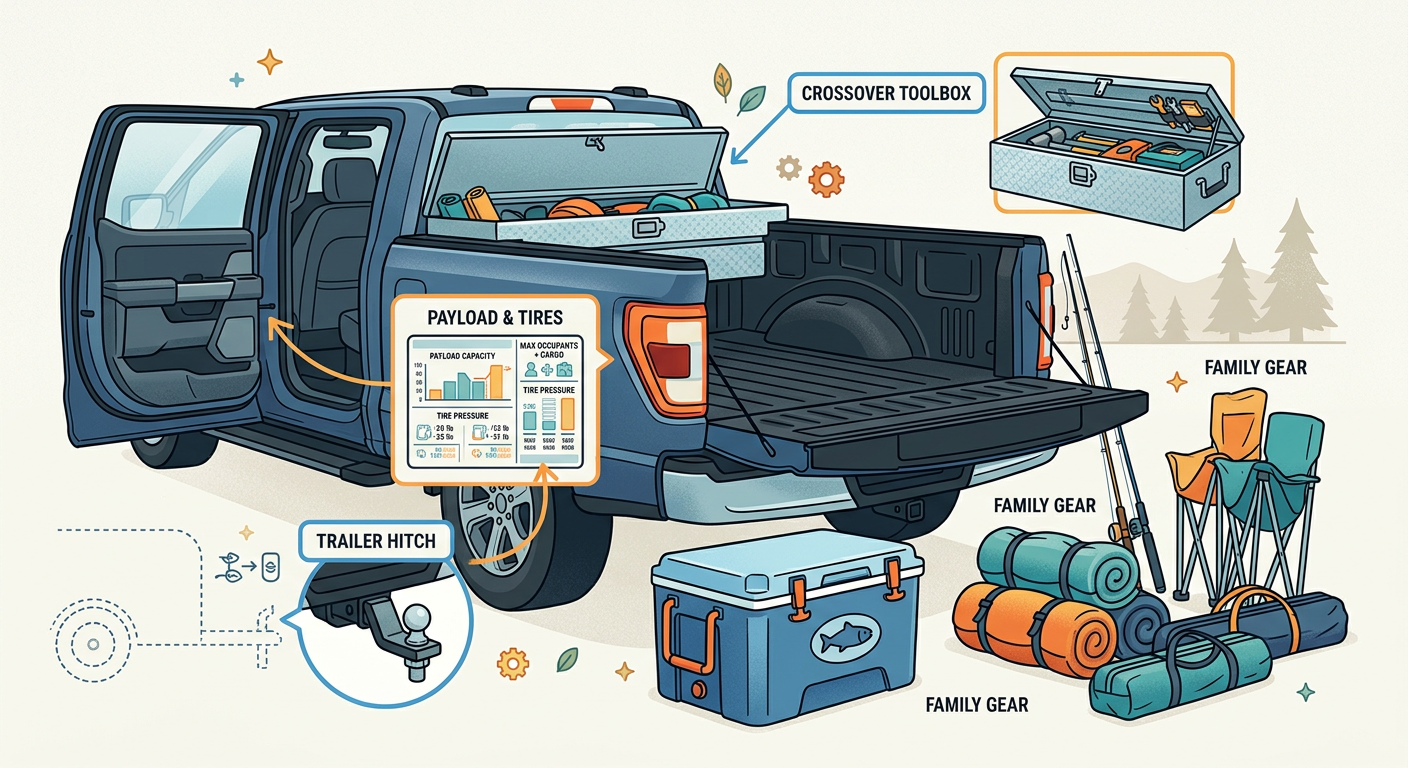
Max tow rating gets all the attention, but payload can be the number that stops you first. Payload includes passengers, cargo, tools, hitch equipment, bed accessories, and the trailer’s tongue or pin weight.
For conventional bumper-pull trailers, tongue weight is often around 10 percent of trailer weight under the SAE J2807 framework, which is the industry practice used to compare tow ratings. The SAE J2807 standard covers performance requirements for determining gross combination weight rating and trailer weight rating.
Here’s a practical example. A 12,000-pound bumper-pull trailer may put about 1,200 pounds on the hitch before you add passengers, a toolbox, fuel, a bed cover, spare parts, or camping gear. Suddenly, a truck with a big tow rating can feel limited by payload.
Diesel vs Gas Truck Towing Costs
The purchase price gap is usually the first cost buyers notice. Diesel engines often add thousands of dollars to the sticker price, especially in newer HD trucks.
Maintenance is another factor. Diesel trucks may require diesel exhaust fluid, fuel filter service, larger oil capacity, and emissions-system care. Gas trucks usually have simpler service needs, which can help keep ownership costs predictable.
Fuel cost is less simple. Diesel may deliver better efficiency under load, but diesel fuel prices vary by region and season. If you tow frequently over long distances, the diesel advantage can grow. If you mostly commute, run errands, and tow once in a while, gas may keep more money in your pocket.
Which Truck Brands Should You Compare?
Ford Super Duty, Chevrolet Silverado HD, GMC Sierra HD, and Ram Heavy Duty all have strong towing reputations. The best pick depends on the exact configuration, not just the badge on the grille.
Ford’s Super Duty lineup is popular with buyers who want huge fifth-wheel and gooseneck capability. Chevy Silverado HD and GMC Sierra HD trucks bring strong Duramax diesel options and comfortable trim choices. Ram Heavy Duty trucks are known for Cummins diesel torque and strong long-haul towing manners.
If you’re comparing real trucks, don’t stop at the headline tow number. Check the door sticker, axle ratio, hitch rating, tire rating, engine, transmission, GVWR, GCWR, and actual trailer setup.
For buyers comparing inventory now, it helps to look at current diesel trucks for sale, compare them against all available used trucks and SUVs, and review truck financing options before narrowing the list.
How to Choose the Right Tow Truck
Start with your trailer, not the truck. Write down the loaded trailer weight, tongue or pin weight, hitch type, typical terrain, passenger count, and how often you tow.
Then choose your engine based on use:
- Choose diesel if you tow heavy, tow often, drive long distances, climb grades, or want exhaust braking.
- Choose gas if you tow moderate loads, drive mostly empty, want lower upfront cost, or prefer simpler maintenance.
- Choose a one-ton truck if payload is tight, especially with fifth-wheel or gooseneck trailers.
- Choose a dually if stability and maximum heavy towing matter more than easy parking and daily comfort.
This is where diesel vs gas truck towing becomes personal. Two buyers can look at the same trailer and make different smart choices because their budgets, routes, and weekly driving needs are different.
Frequently Asked Questions
Is diesel always better for towing?
No. Diesel is usually better for heavy, frequent, long-distance towing, but gas can be the better choice for lighter trailers and occasional use. If you don’t tow often, the diesel premium may not pay off.
Can a gas truck tow a fifth-wheel camper?
Yes, some gas heavy-duty trucks can tow fifth-wheel campers when properly equipped. The key is checking payload, pin weight, hitch rating, axle ratio, and the truck’s specific tow chart.
Why does diesel feel stronger when towing?
Diesel engines produce strong low-rpm torque, which helps move heavy loads without revving high. That makes acceleration, grade climbing, and steady-speed towing feel more controlled.
Is a diesel truck more expensive to maintain?
Usually, yes. Diesel trucks can have higher oil capacity, fuel filter costs, diesel exhaust fluid needs, and more complex emissions systems. The tradeoff is better heavy-load performance and often stronger long-term towing capability.
What matters more, towing capacity or payload?
Both matter, but payload is often the hidden limiter. Passengers, tools, cargo, hitch equipment, and tongue or pin weight all count against payload.
Should I buy a 2500 or 3500 for towing?
A 2500 can be great for many bumper-pull trailers and moderate fifth-wheel setups. A 3500 is usually smarter if you need more payload, tow a large fifth-wheel, or carry heavy tools and cargo while towing.
Find the Right Tow Truck Without Guessing
If you’re comparing diesel and gas trucks for real-world towing, Unique Trucks can help you match the truck to the trailer, budget, and driving style. You can also ask about trade-ins, nationwide shipping, test drives, and financing so the buying process feels clear from the start.
The Bottom Line on Diesel and Gas Towing
Diesel is the strong choice for heavy, frequent towing, especially when long grades, big trailers, and high mileage are part of the plan. Gas is the practical choice for moderate towing, lower upfront cost, and simpler daily ownership.
The smart move is to buy for your real load, not the biggest number in an ad. Match the engine, payload, hitch setup, and truck configuration to how you’ll actually use it, and you’ll end up with a tow rig that feels right every mile.