Diesel vs Gas Truck Ownership Cost: Which Costs Less Overall?
A lower purchase price does not always mean a lower-cost truck. Fuel, maintenance, towing habits, payload needs, insurance, financing, and resale value all affect what you actually spend over the years.
When we help buyers compare diesel vs gas truck ownership cost, we start with how the truck will be used. A gas-powered heavy-duty pickup is often the sensible value for occasional towing and everyday errands. A diesel can make more financial sense when long highway miles, frequent heavy trailers, and commercial use put its torque and efficiency to work.
Diesel vs Gas Truck Ownership Cost at a Glance
| Ownership factor | Diesel truck | Gas truck | Best fit |
|---|---|---|---|
| Upfront price | Usually higher | Usually lower | Gas for tighter budgets |
| Fuel economy | Often stronger under load | Usually lower when towing | Diesel for frequent towing |
| Routine service | Higher-cost fluids and filters | Typically simpler, lower-cost service | Gas for light use |
| Heavy towing | High torque and exhaust braking | Capable, often higher RPM | Diesel for large trailers |
| Payload | Can be reduced by engine weight | Often stronger on comparable setups | Gas for payload-focused work |
| Resale demand | Strong for clean HD diesels | Depends heavily on configuration | Depends on buyer demand |
No powertrain wins every budget. The smartest choice is the truck that delivers the capability you will actually use without making you pay for more engine than your work, trailer, or commute requires.
Start With the Costs You Can See
Purchase price and financing
Diesel heavy-duty trucks commonly carry a higher initial price than similar gas models, especially in Ford Super Duty, Chevrolet Silverado HD, GMC Sierra HD, and Ram Heavy Duty lineups. On the used market, a well-equipped Power Stroke, Duramax, or Cummins may also hold stronger demand because buyers value torque, towing confidence, and long-distance capability.
That higher price matters because you are financing the entire out-the-door amount, not just the engine upgrade. We recommend comparing the down payment, annual percentage rate, term length, total interest, insurance, and expected maintenance reserve before focusing on the monthly payment alone. Buyers can explore truck financing options or get pre-qualified before narrowing the truck list.
Fuel cost is about price and consumption
Diesel fuel often costs more per gallon, but diesel contains more energy per gallon than gasoline. The U.S. Environmental Protection Agency explains that this energy density generally contributes to higher fuel economy in diesel vehicles. The EPA's 2027 fuel-economy label assumptions use $3.10 per gallon for regular gasoline and $3.45 per gallon for diesel, with annual fuel-cost estimates based on 15,000 miles.
Here is a simple illustration using those assumptions. At 15,000 miles per year, a diesel averaging 15 mpg would use about $3,450 in fuel. A gas truck averaging 13 mpg would use about $3,577. The difference is only about $127 annually, which shows why fuel price alone should not decide the purchase.
Real-world results can swing sharply with trailer weight, highway speed, idle time, tire size, lift height, cargo, terrain, and driving style. A lifted truck on oversized tires may not deliver the same fuel economy as a stock truck, regardless of whether it runs on diesel or gas.
Where Diesel Ownership Can Cost More
Maintenance and emissions equipment
Modern diesel trucks use specialized components and fluids, including diesel exhaust fluid, high-pressure fuel-system parts, turbocharging, emissions sensors, and exhaust aftertreatment equipment. Routine maintenance can cost more because diesel engines typically need larger oil capacities and fuel-filter service.
That does not mean every diesel will be expensive to own. It means maintenance history matters more. Before buying a used diesel, we suggest reviewing service documentation, checking for warning lights, asking how the truck was used, and confirming that the configuration suits your towing plans. A lightly used diesel that mostly makes short trips may not be as good a fit as a well-maintained gas truck for the same buyer.
Repairs can be more expensive
A diesel's fuel system, turbocharger, injectors, emissions components, and cooling system can involve higher repair bills when problems arise. This is especially important on a high-mileage truck with incomplete records or an unknown modification history.
For buyers who drive modest annual miles and tow only a few weekends each year, the potential savings from diesel fuel economy may not offset the higher purchase price and repair exposure. A gas-powered Ford F-250, Chevy Silverado 2500HD, GMC Sierra 2500HD, or Ram 2500 can be a practical, capable alternative with a simpler ownership profile.
Where Diesel Ownership Can Pay Off
Regular towing and highway miles
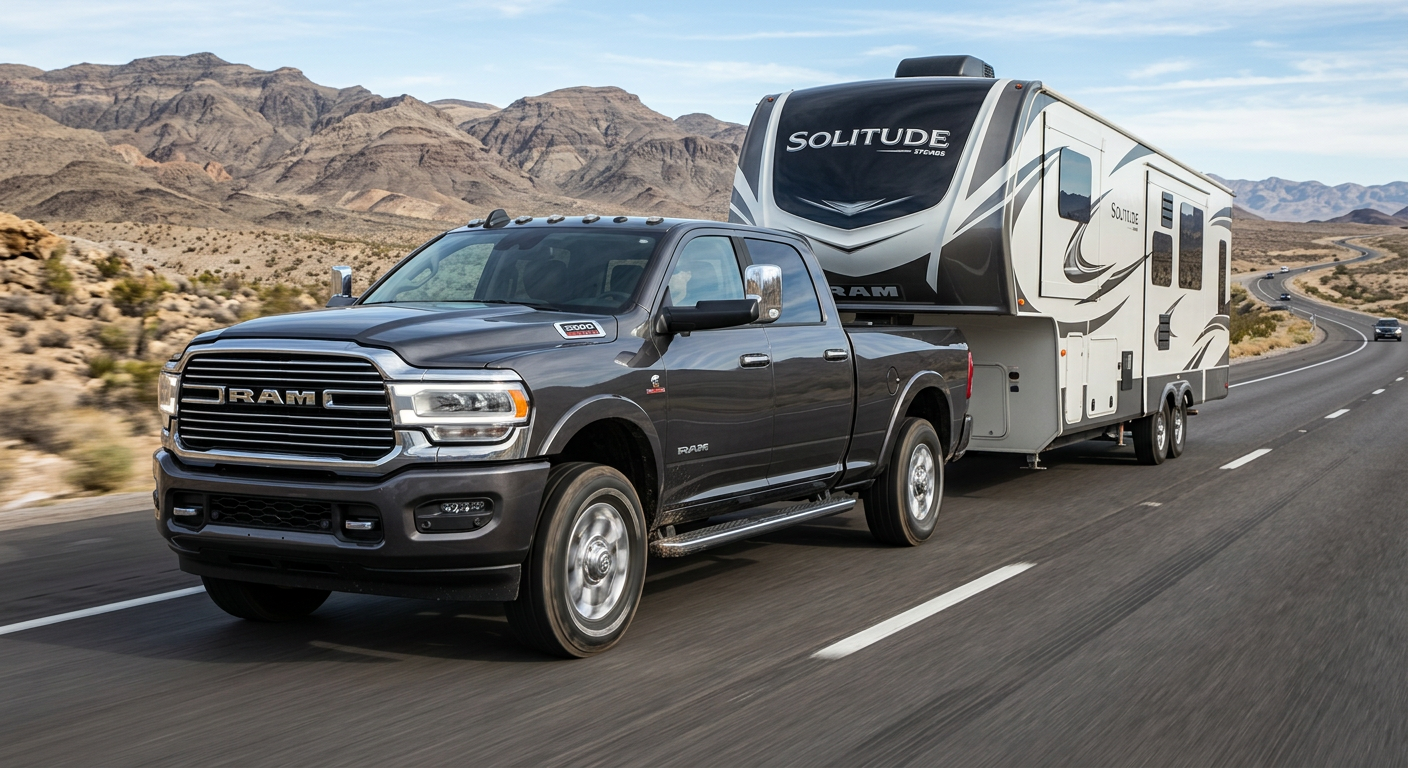
Diesels are built for buyers who do real work with their trucks. A Cummins, Duramax, or Power Stroke is especially compelling when you tow a fifth wheel, equipment trailer, horse trailer, or enclosed trailer regularly and cover substantial highway mileage.
The value is not just fuel economy. Diesel torque arrives low in the RPM range, and exhaust braking can add control on long grades. That can make towing feel less strained and more predictable, particularly with heavy loads that are within the truck's ratings.
Long-term demand for the right configuration
Clean, documented diesel pickups often attract strong interest, especially when they have sought-after combinations such as four-wheel drive, crew cab seating, a long bed, towing equipment, or dual rear wheels. The truck still has to be the right one. Condition, accident history, maintenance records, tires, interior wear, modifications, and local demand will affect resale value more than the fuel type alone.
For many business owners, the diesel premium is easier to justify when the pickup earns its keep. If a truck saves time on long hauls, handles a trailer with confidence, and stays useful as the business grows, the higher ownership costs may be worthwhile.
Why Gas Trucks Are Often the Better Value
A gas heavy-duty truck can be an excellent choice for homeowners, contractors with lighter trailers, payload-focused buyers, and drivers who want a powerful daily truck without diesel-specific operating costs. Gas engines are generally less expensive to buy and can be less costly to maintain over time.
Gas trucks also deserve a close look when payload matters more than maximum towing. Diesel engines and related components add weight to the front of the truck, which can reduce available payload on comparable configurations. If you carry tools, materials, a slide-in camper, or a heavy load in the bed more often than you tow, the door-jamb payload label should guide the decision.
A properly equipped gas HD truck can handle boats, utility trailers, moderate equipment trailers, and weekend campers very well. The key is matching the actual truck, not just the model badge, to your loaded trailer weight and cargo needs.
Compare the Truck, Not Just the Engine
Diesel versus gas is only one part of the buying decision. We encourage buyers to compare these details on the exact pickup they are considering:
- Cab, bed length, and rear-wheel configuration
- Four-wheel drive and axle ratio
- Factory towing package, hitch, brake controller, and mirrors
- Door-jamb payload rating and trailer ratings
- Service history and vehicle-history report
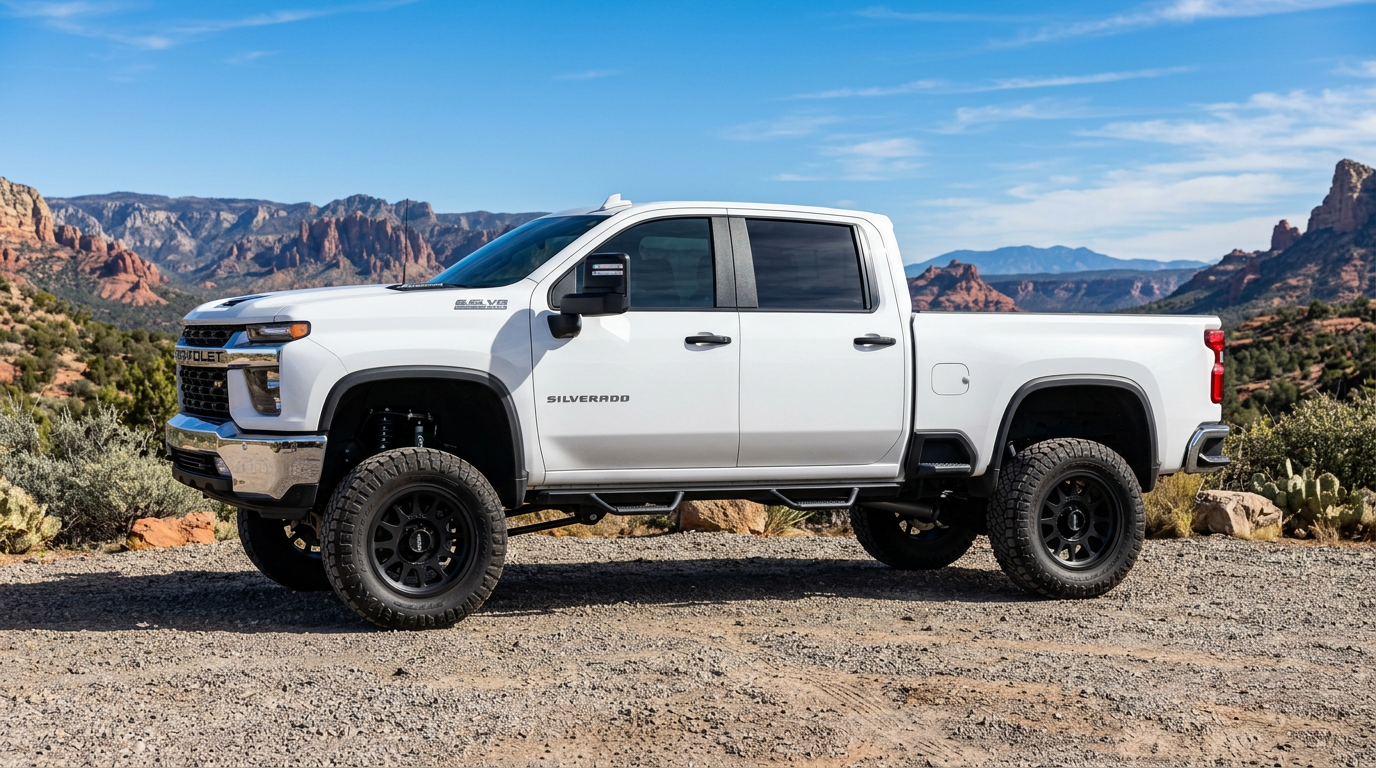
- Tire condition, lift components, alignment, and suspension setup
- Number of annual miles, towing frequency, and expected ownership length
- Financing cost, trade equity, insurance, and delivery expenses
A diesel dually may be ideal for a large fifth wheel, while a gas three-quarter-ton truck may make more sense for a buyer hauling materials locally. There is no advantage in buying maximum towing capability if a lower-cost configuration performs the job safely and comfortably.
At Unique Trucks, our family-owned team in Scottsdale helps buyers compare pre-owned diesel, gas, lifted, work-ready, and heavy-duty pickups based on their real budget and use case. You can browse diesel trucks, review the work truck selection, or use the Vehicle Finder if you need a specific Ford, Chevy, GMC, or Ram configuration.
A Practical Way to Make the Decision
Choose diesel when these points sound like you
Choose a diesel truck if you tow heavy trailers frequently, drive many highway miles, want strong low-end torque, use exhaust braking, or plan to keep a well-maintained HD pickup for years. Diesel is often a logical fit for RV owners, equipment haulers, ranch work, hotshot-style use, and businesses that put regular miles and load on a truck.
Choose gas when these points sound like you
Choose gas if you mainly drive unloaded, tow occasionally, want a lower entry cost, prioritize simpler maintenance, or need strong payload for bed cargo. Gas is also a smart option for buyers who want a dependable truck but do not need the daily capability of a diesel engine.
Budget for the complete ownership picture
Set aside a realistic maintenance reserve after purchase. Include tires, brakes, fluids, insurance, accessories, registration, trailer equipment, and fuel in addition to the truck payment. If you have a current vehicle, its trade value can reduce the amount financed, so it is worth getting an estimate through Sell or Trade Your Vehicle before finalizing your budget.
Find the Right Heavy-Duty Truck for Your Budget
Whether you need a fuel-conscious gas pickup or a diesel built for serious towing, we can help you compare the full ownership picture. View Current Inventory, complete a credit application, or call (480) 210-2660 to discuss the right truck for work, travel, or daily driving.
For buyers outside Arizona, nationwide truck shipping can make it easier to buy the configuration you actually want rather than settling for what is nearby.
Frequently Asked Questions
Is a diesel truck cheaper to own than a gas truck?
It can be, but not in every situation. Diesel may offset its higher purchase and maintenance costs when you tow heavy loads often, drive many highway miles, and keep the truck long enough to benefit from its capability and resale demand. Gas is often less expensive for light-duty use, lower annual mileage, and occasional towing.
Does diesel fuel economy make up for the higher fuel price?
Sometimes. Diesel can use fewer gallons to cover the same distance, particularly while towing, but the savings depend on the local price spread and the truck's actual mpg. Run the numbers using your expected annual miles and realistic fuel economy instead of relying on a general rule.
Are gas trucks better for payload?
A comparable gas truck can have more available payload because the engine weighs less than a diesel powertrain. Always verify the specific truck's payload label, because cab size, four-wheel drive, options, aftermarket accessories, and axle configuration also affect the rating.
Is a diesel truck worth it for towing a travel trailer?
For occasional travel-trailer use, a properly configured gas HD truck may be all you need. Diesel becomes more attractive as trailer weight, towing frequency, elevation changes, and annual travel miles increase, especially for larger fifth wheels and equipment trailers.
Should we avoid a used diesel with high mileage?
Not automatically. A documented, well-maintained diesel with higher mileage can be a stronger buy than a lower-mileage truck with unclear service history. Review maintenance records, inspect the truck carefully, and consider a professional pre-purchase inspection.
Can we finance a used diesel or gas heavy-duty truck?
Yes. Approval terms depend on the vehicle, credit profile, down payment, loan term, and lender guidelines. Getting pre-qualified helps you compare realistic payment options before selecting a specific truck.
The Bottom Line
Diesel is not automatically cheaper, and gas is not automatically the budget choice. Diesel ownership tends to reward buyers who tow hard and drive far, while gas ownership often works best for buyers who want lower upfront costs, simpler service, and capable performance for everyday hauling.
The best move is to calculate the total cost around your actual life, including how far you drive, what you tow, what you carry, and how long you plan to keep the truck. When those numbers are clear, the right engine choice becomes much easier.
About Unique Trucks
Unique Trucks is a family-owned dealership with over 20 years of experience serving truck buyers from Scottsdale, Phoenix, throughout Arizona, and across the United States. The dealership specializes in quality pre-owned lifted trucks, diesel trucks, work trucks, heavy-duty pickups, custom builds, and used SUVs.
The Unique Trucks Team offers competitive financing, trade-ins, vehicle sourcing, and nationwide shipping to help customers find the right truck with a no-pressure buying experience.
Browse the current inventory, get pre-qualified, or call (480) 210-2660 to speak with the Unique Trucks Team today.