Out of State Truck Shipping: Safe Delivery for Truck Buyers
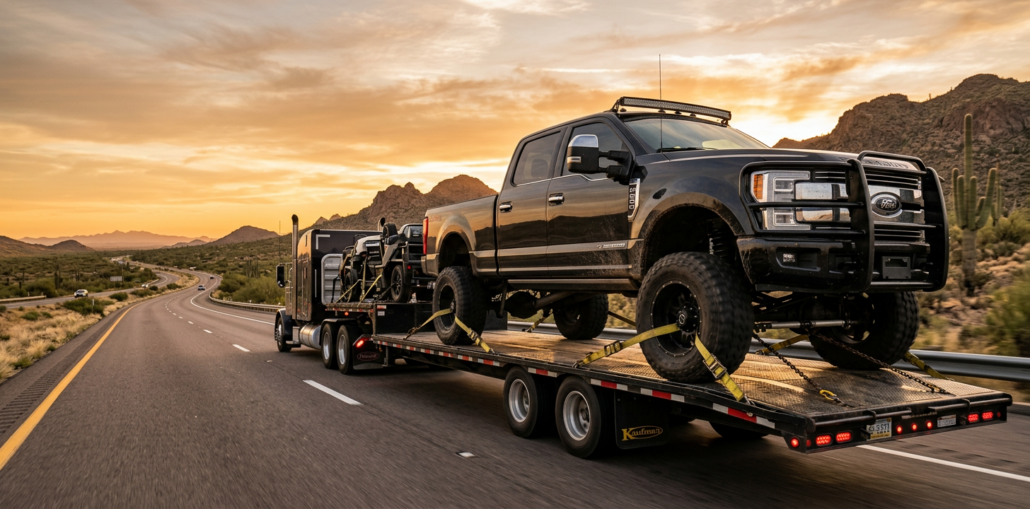
Buying the right truck should not be limited by your ZIP code. The Ford Super Duty, Ram Heavy Duty, Chevrolet Silverado HD, GMC Sierra HD, lifted pickup, or work truck you want may be hundreds of miles away, but that does not mean the purchase has to feel risky.
With a clear plan, out of state truck shipping can be a straightforward part of buying a quality pre-owned truck. We recommend focusing on the truck’s condition, the transport details, the paperwork, and the delivery inspection, not simply the lowest shipping quote.
What Out of State Truck Shipping Usually Includes
Vehicle transport moves your truck from the seller’s location to your home, office, or a nearby agreed delivery point. Most buyers choose either open transport or enclosed transport, then coordinate pickup timing, condition documentation, payment, and final delivery.
Here is the practical difference between the main shipping options.
| Shipping Method | Best Fit | Main Benefit | Main Tradeoff |
|---|---|---|---|
| Open transport | Most pickups and SUVs | Better overall value | Exposed to weather and road dust |
| Enclosed transport | Rare, collector, or highly customized trucks | Added protection | Higher cost and less availability |
| Door-to-door | Accessible residential or business locations | Convenient pickup and drop-off | Large carriers may need a nearby meeting point |
| Terminal-to-terminal | Flexible schedules | Can help with access limits | Less convenient for most buyers |
For a normal used diesel truck, lifted truck, or heavy-duty work pickup, open transport is usually the sensible choice. Enclosed hauling can make more sense for an exceptionally clean custom build, a specialty truck with expensive exterior upgrades, or a buyer who wants the greatest possible protection from weather and road debris.
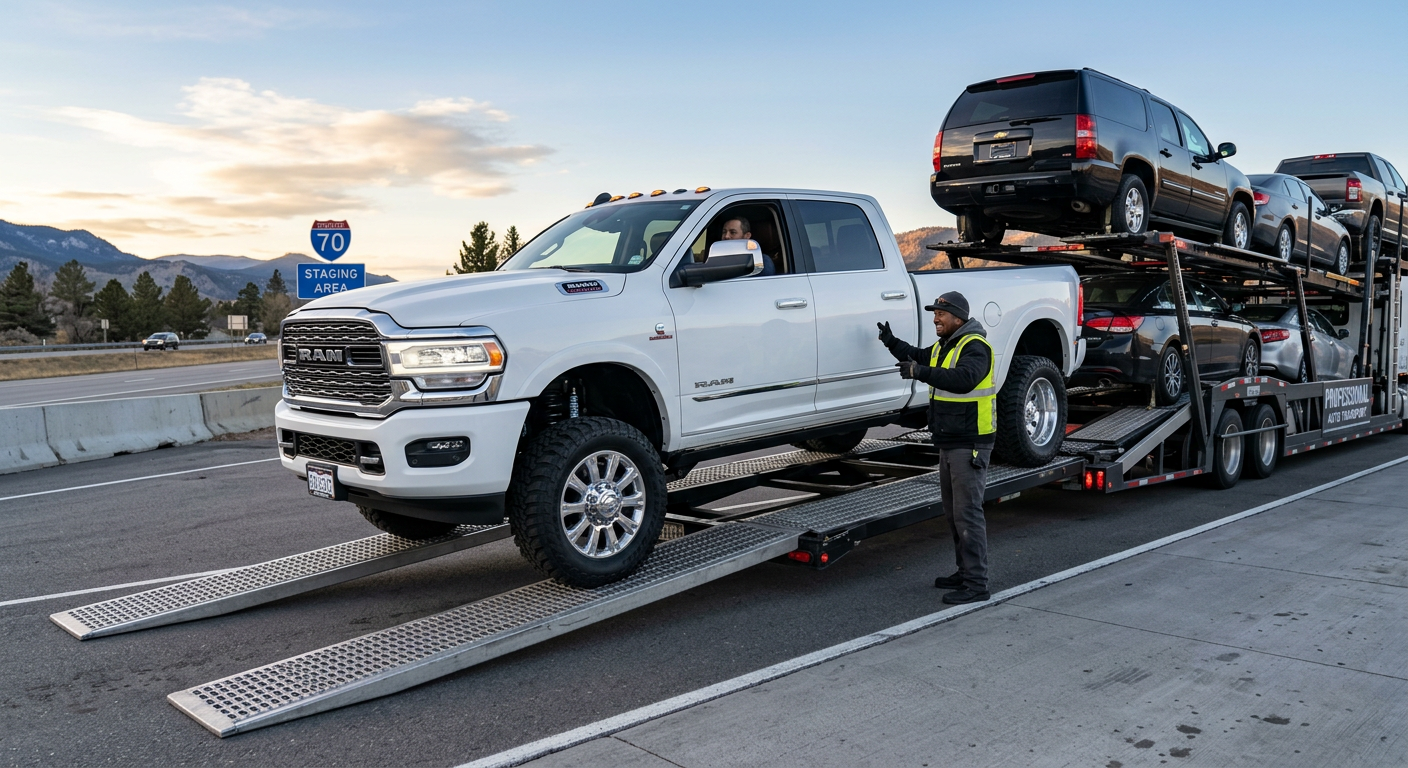
Choose the Right Shipping Method for Your Truck
A transport plan should reflect the truck you are buying, not a one-size-fits-all rule. A stock Ford F-250 and a tall, wide, lifted Ram 3500 may require different carrier arrangements.
Open Transport Is the Everyday Choice
Open carriers handle the majority of vehicle moves. They are widely available, cost less than enclosed alternatives, and are well suited to dependable daily drivers, work trucks, diesel pickups, and used SUVs.
Your truck will be exposed to normal road conditions during transit. That does not mean it is unprotected from basic carrier responsibility, but it does mean you should complete a careful pickup and delivery inspection.
Enclosed Transport Adds Protection for Specialty Builds
Enclosed carriers shield a truck from weather, road debris, and public visibility. This is worth considering for a custom lifted Chevrolet Silverado 2500HD, a low-mileage Ford F-350 Power Stroke, or a rare performance-oriented pickup where appearance is a central part of the purchase.
The tradeoff is cost. Enclosed transport has fewer available carriers and typically requires more scheduling flexibility, so it is best chosen for a clear reason rather than as an automatic upgrade.
Lifted Trucks Need Accurate Measurements
Lift height, tire size, width, and accessories matter. A carrier needs to know if your truck has oversized tires, a roof rack, wide fender flares, a bed rack, a heavy front bumper, or a suspension setup that changes loading clearance.
Give accurate measurements before transport is booked. That helps prevent a last-minute carrier mismatch and lets the hauler plan appropriate loading equipment.
Verify the Transport Company Before You Commit
A low quote can look attractive until the pickup date slips or the final price changes. Instead of choosing only by price, ask who is actually moving your truck and how the company handles carrier assignment, insurance, scheduling, and damage claims.
The Federal Motor Carrier Safety Administration explains that interstate auto transport brokers and carriers must be registered, and it advises consumers to confirm whether a company is a broker or the actual transporter. Its consumer advisory also recommends checking registration information before booking. Read the FMCSA consumer advisory.
The agency oversees more than 500,000 commercial trucking companies, which is a useful reminder that trucking logistics involve a large network of carriers, brokers, routes, and schedules. Learn more from the U.S. Department of Transportation.
Ask These Questions Before Booking
- Is your company the carrier, a broker, or both?
- What are your USDOT and motor carrier registration details?
- What cargo coverage applies to this specific shipment?
- Does the written quote include fuel, route, lift, oversize, or delivery-access charges?
- How much flexibility is there around pickup and delivery dates?
- Who should we contact if the carrier schedule changes?
- How will pre-existing damage be documented before loading?
Clear answers are a good sign. Vague answers, a price that seems far below every other quote, or pressure to pay everything immediately should make you pause.
Prepare Your Truck for Pickup and Delivery
The best time to protect yourself is before the truck is loaded. We encourage buyers to treat the inspection as part of the purchase process, especially for heavy-duty pickups with expensive wheels, upgraded suspension components, custom paint, or aftermarket accessories.
Document the Truck’s Condition
Take dated photos and short videos of every side of the truck. Capture the front bumper, windshield, roof, bed, tailgate, wheels, tires, mirrors, steps, lights, and interior. If the truck is a dually, photograph all six tires and the rear fenders.
At pickup, review the carrier’s condition report carefully before signing. At delivery, compare the truck against the same report before you accept it. If you notice new damage, note it on the delivery paperwork and take detailed photos while the driver is present.
Remove Personal Items and Loose Accessories
Take out personal belongings, tools, firearms, documents, removable electronics, and loose cargo. Carriers may have restrictions on items left in the cab or bed, and those items may not be covered by cargo insurance.
Fold mirrors if appropriate, secure removable antennas, and make sure the tonneau cover, tailgate, and bed accessories are properly latched. If your truck has an alarm, let the carrier know how to disable it during transport.
Keep the Fuel Level Low
A quarter tank is generally enough for loading and unloading. Extra fuel adds weight, and weight matters on a transport trailer carrying multiple vehicles.
Build a Realistic Budget and Timeline
Shipping cost depends on distance, route popularity, truck size, weight, season, transport type, pickup flexibility, and the ease of accessing both locations. A lifted heavy-duty diesel or dually can cost more to move than a compact SUV because it takes up more carrier space and may require additional loading consideration.
Avoid treating the first price as final until you understand what it includes. We suggest comparing written quotes with the same transport type, route, and timing window so you are making a fair comparison.
Timing is also important. A carrier may provide a pickup window rather than a guaranteed hour, and delivery can shift because of traffic, weather, equipment issues, or other stops on the route. If you need the truck before a job, trip, or registration appointment, build in a cushion instead of scheduling everything for the same day.
Buy the Truck First, Then Coordinate Delivery
Shipping can solve distance, but it should never replace a thorough buying decision. Before you arrange transport, confirm the truck’s history, title status, equipment, tire condition, cab configuration, towing hardware, service information, and any aftermarket modifications.
For diesel buyers, ask about the truck’s use history and major components. For lifted trucks, confirm the suspension brand, wheel and tire sizes, alignment condition, drivability, and whether the build matches how you plan to use it. If you need a pickup for a business, focus on payload, bed configuration, towing equipment, and operating costs before appearance upgrades.
At Unique Trucks, we help buyers across Arizona and nationwide match delivery plans to the truck they choose. You can view current inventory, explore available diesel trucks, or use our vehicle finder if you have a specific Ford, Chevrolet, GMC, or Ram truck in mind.
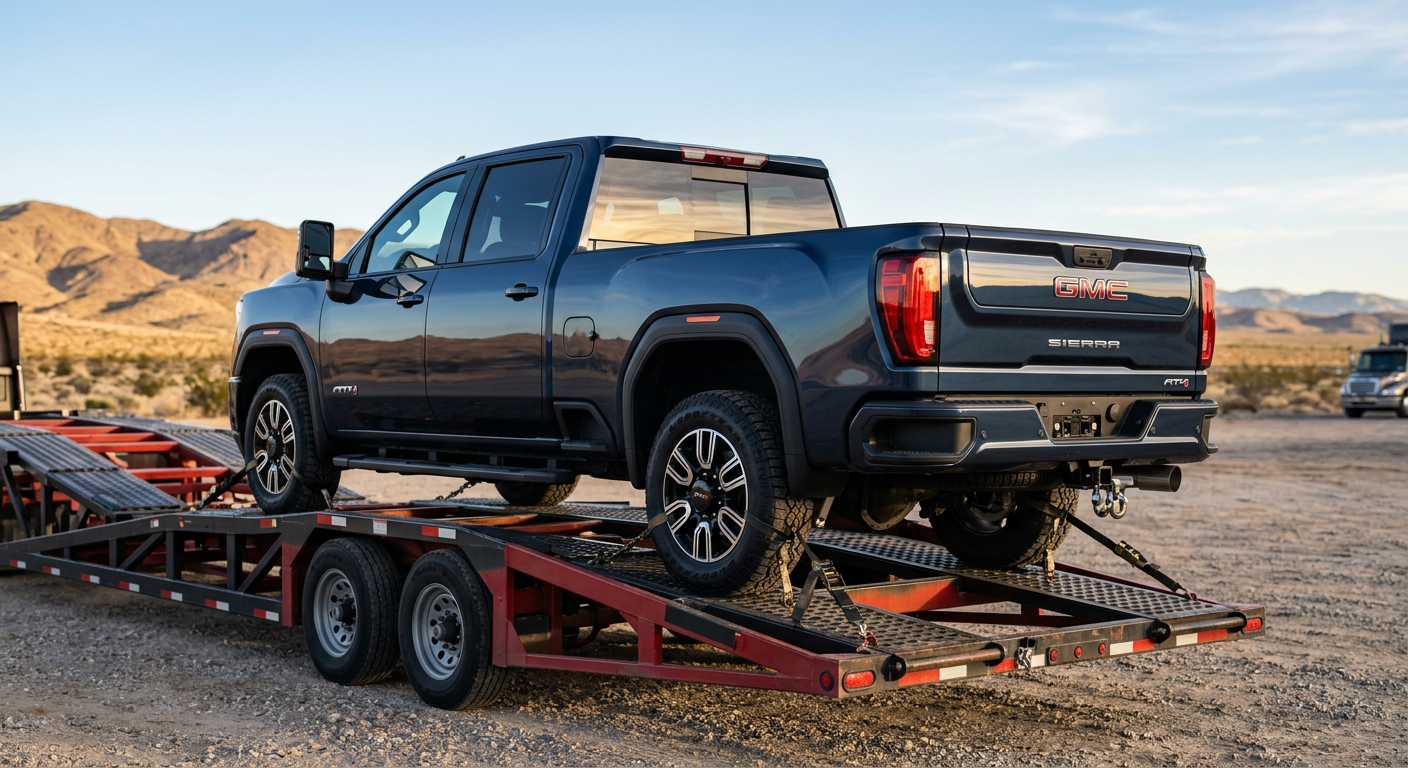
Frequently Asked Questions
Is out of state truck shipping safe for a lifted truck?
Yes, when the transport company knows the truck’s exact height, width, tire size, and modifications before assigning a carrier. Accurate details help the carrier choose the right trailer and loading approach.
Should we choose open or enclosed transport for a diesel truck?
Open transport is usually a practical choice for most diesel pickups. Enclosed transport is best reserved for unusually valuable, rare, or highly customized trucks where extra protection justifies the additional expense.
Can a transport carrier deliver directly to our house?
Often, yes. However, a large multi-car trailer may not fit safely on narrow residential streets, low-clearance roads, or tight cul-de-sacs. In those cases, the driver may arrange a nearby wide parking lot or accessible meeting point.
How long does it take to ship a truck to another state?
Timing depends on distance, route demand, weather, carrier availability, and pickup flexibility. Ask for a pickup window and estimated delivery range, then leave room in your schedule for normal logistics changes.
What should we inspect when the truck arrives?
Compare the truck with the pickup condition report and your photos. Check body panels, glass, wheels, tires, mirrors, bumpers, lights, bed accessories, interior, and any custom equipment before signing final delivery paperwork.
Can we finance a truck that is being shipped from another state?
In many cases, yes. Financing approval, purchase paperwork, and transport coordination can be handled in an organized sequence before delivery. You can get pre-qualified to understand your options before selecting a truck.
Arrange Delivery With Confidence
The right shipping plan makes a nationwide truck purchase feel local. If you have found the right diesel pickup, lifted truck, work truck, dually, or SUV, our team can help you coordinate the next steps, including paperwork, trade-in planning, financing, and nationwide truck shipping.
Contact the team to discuss your destination, truck requirements, and preferred timing. A little clarity up front helps protect your budget and makes delivery day far less stressful.
The Bottom Line
Out of state truck shipping is not just about getting a truck from point A to point B. It is about choosing the right transport method, verifying the company handling the move, documenting condition carefully, and keeping your delivery expectations realistic.
When those details are handled early, you can shop confidently beyond your local market and focus on finding the truck that fits your work, towing, recreation, and daily-driving needs.
About Unique Trucks
Unique Trucks is a family-owned dealership with over 20 years of experience serving truck buyers from Scottsdale, Phoenix, throughout Arizona, and across the United States. The dealership specializes in quality pre-owned lifted trucks, diesel trucks, work trucks, heavy-duty pickups, custom builds, and used SUVs.
The Unique Trucks Team offers competitive financing, trade-ins, vehicle sourcing, and nationwide shipping to help customers find the right truck with a no-pressure buying experience.
Browse the current inventory, get pre-qualified, or call (480) 210-2660 to speak with the Unique Trucks Team today.