Used Diesel Truck Inspection Checklist for Smart Truck Buyers
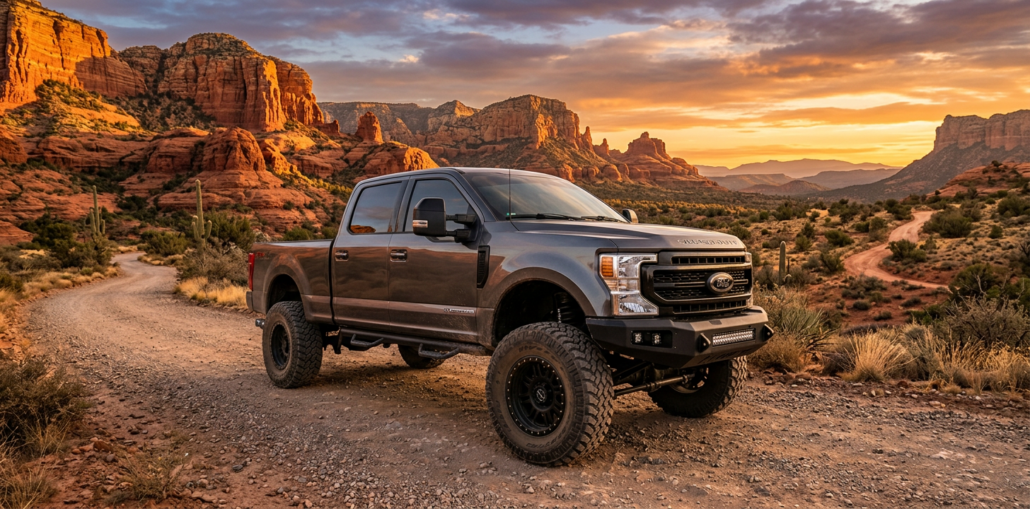
Buying a pre-owned diesel pickup can feel exciting and a little intimidating at the same time. A clean Ford Super Duty, Ram Heavy Duty, Chevrolet Silverado HD, or GMC Sierra HD might look ready for towing, work, and weekend trips, but the real story is under the hood, under the frame, and in the service history.
That’s why a used diesel truck inspection checklist matters. Diesel trucks are built for serious mileage and heavy loads, but neglected maintenance, emissions system issues, bad lift installs, and hard towing miles can turn a great-looking truck into an expensive lesson.
Here’s the thing, you don’t need to be a master technician to shop smarter. You just need a clear process, the right questions, and a willingness to slow down before you sign.
Quick Used Diesel Truck Inspection Checklist
| Area To Check | What To Look For | Red Flag |
|---|---|---|
| Engine | Cold start, blow-by, leaks | Hard start or smoke |
| Transmission | Smooth shifts, no slipping | Delayed engagement |
| Frame | Rust, welds, accident signs | Bent or patched frame |
| Suspension | Lift quality, alignment wear | Uneven tire wear |
| Emissions | DPF, DEF, warning lights | Deleted system issues |
| Records | Oil, filters, repairs | No history available |
Used Diesel Truck Inspection Checklist: Start With The Paperwork
Before you crawl under the truck, start with documents. A diesel pickup with detailed maintenance records is usually less risky than one with vague answers and missing service history.
Ask for oil change records, fuel filter service, transmission service, coolant flushes, differential fluid changes, and any major repairs. If the truck has been used for towing, hauling, or commercial work, service intervals matter even more.
The Federal Trade Commission recommends having a used vehicle inspected by an independent mechanic before buying. That advice is especially smart with diesel pickups because repairs can cost more than common gas-powered half-ton trucks.
You should also run the VIN through the official NHTSA recall lookup tool. Open recalls don’t automatically make a truck a bad buy, but you want to know what still needs attention before you make a decision.
Inspect The Diesel Engine Before It Warms Up
A warm engine can hide problems. If possible, ask to see the truck after it has been sitting overnight or for several hours.
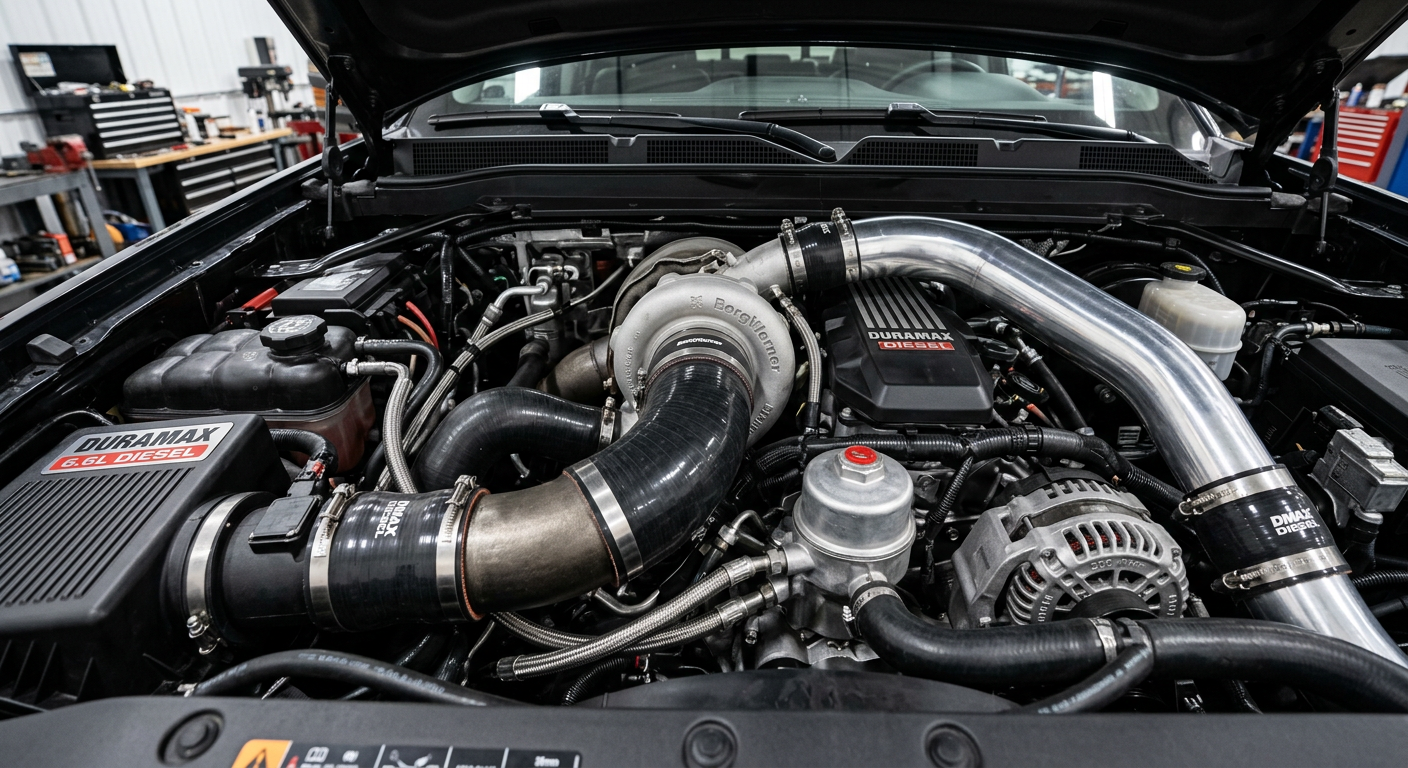
Watch how it starts. A healthy diesel should fire without excessive cranking, rough idle, heavy smoke, or loud knocking that doesn’t settle down. Some diesel noise is normal, but uneven clatter, surging, or long crank times deserve a closer look.
Check for oil leaks around the valve covers, turbo, oil pan, front cover, and rear main seal area. On Power Stroke, Cummins, and Duramax trucks, small seepage can happen with age, but active dripping is a negotiation point or a reason to walk away.
Check For Blow-By
With the engine running, remove the oil fill cap carefully and watch for heavy pressure or smoke pushing out. A little vapor can be normal, but strong puffing may point to worn piston rings or crankcase pressure issues.
This is where a qualified diesel mechanic can help. If you’re close to buying, a compression test or deeper diagnostic scan can be worth the money.
Review Transmission, 4WD, And Drivetrain Feel
A diesel truck’s transmission works hard, especially behind a tuned engine or heavy trailer. During the test drive, pay attention to how the truck shifts when cold, under light throttle, and under heavier acceleration.
You’re looking for smooth engagement, no slipping, no harsh clunks, and no delayed shift into drive or reverse. If the truck has a tow mode, exhaust brake, or manual shift controls, test those features safely.
For 4WD trucks, engage high range and low range when appropriate. Listen for grinding, binding, or warning lights. A heavy-duty pickup that looks rugged but has a neglected transfer case can bring expensive repairs later.
Look Underneath For Rust, Leaks, And Hard Use
Arizona trucks often have an advantage because dry climates are kinder to frames than snowy, salted roads. Still, a truck may have lived in another state before arriving in Scottsdale or Phoenix, so don’t assume anything.
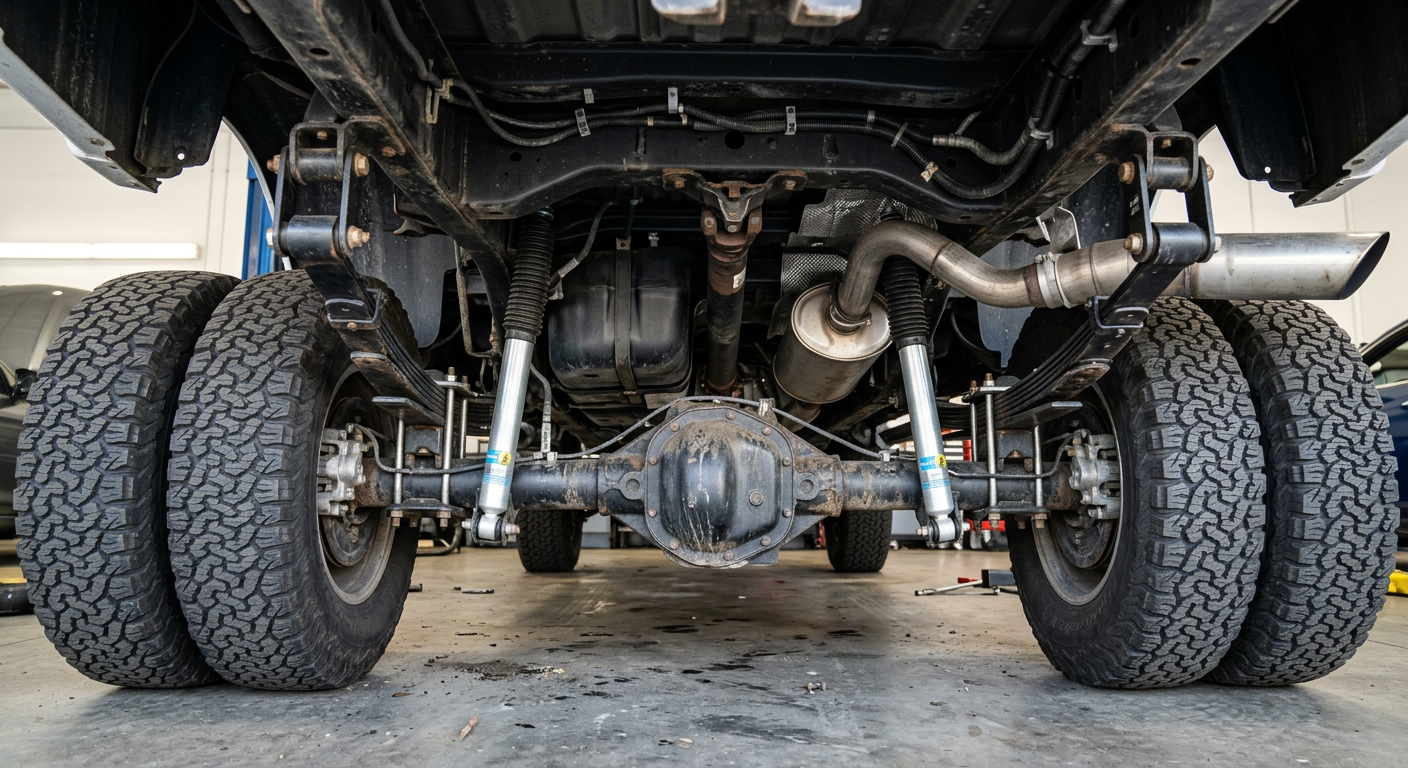
Inspect the frame rails, crossmembers, cab mounts, bed supports, suspension brackets, brake lines, and fuel lines. Surface rust is one thing, but scaling, holes, flaking metal, or fresh undercoating used to hide corrosion are major concerns.
Also look for leaks around the transmission, transfer case, differentials, steering box, axle seals, and shocks. A clean underside doesn’t have to be perfect, but it should make sense for the truck’s age and mileage.
Pay Close Attention To Lift Kits, Tires, And Suspension
Lifted diesel trucks are popular for a reason. They look great, handle rough roads confidently, and can give you room for bigger tires. But the quality of the lift matters.
Check the control arms, shocks, track bar, steering stabilizer, brake line extensions, driveshaft angles, and alignment. Uneven tire wear, wandering steering, vibration, or a crooked steering wheel can point to poor installation or worn components.
If you’re shopping for a custom lifted truck, compare options from a dealer that understands suspension setup, wheel fitment, and real-world drivability. You can browse Lifted Trucks or compare them with Diesel Trucks to see what fits your needs.
Don’t Ignore Emissions Equipment
Modern diesel trucks may include a diesel particulate filter, selective catalytic reduction system, DEF tank, EGR components, sensors, and related controls. These systems can be costly if neglected or modified improperly.
Look for warning lights, messages about DEF quality, regeneration issues, exhaust smell, missing components, or signs of deleted emissions equipment. Depending on where you live and how you plan to register the truck, deleted systems can create legal, resale, and service problems.
For buyers nationwide, this matters even more. A truck that passes in one area may not fit requirements in another, so check your local rules before purchase.
Inspect Towing And Payload Clues
Diesel trucks are often bought because they can tow and haul. That’s fine, but you want to know whether the truck was used within its limits.
Check the receiver hitch, gooseneck or fifth-wheel prep, trailer wiring, brake controller, bed floor, rear suspension, and tires. Deep hitch wear, bent bumper brackets, cracked bed supports, or overloaded rear springs can suggest a hard life.
Also compare the door sticker payload rating against your trailer, tools, passengers, and gear. A one-ton dually may be the right answer for heavy fifth-wheel towing, while a three-quarter-ton truck may be easier to daily drive.
Budget For Ownership, Not Just The Purchase Price
Diesel trucks can deliver excellent durability, but they aren’t cheap to maintain. Fuel filters, oil capacity, tires, batteries, emissions parts, and heavy-duty components can add up.
According to AAA’s 2025 Your Driving Costs data, maintenance, repair, and tires averaged 11.04 cents per mile across the vehicles measured in its annual analysis. A heavy-duty diesel truck may vary from that average, but the point is simple, smart buyers plan for upkeep before they buy. AAA Your Driving Costs
If financing is part of your plan, look at the whole monthly picture, not only the payment. Unique Trucks offers Truck Financing and an online Get Pre-Qualified option for buyers comparing diesel pickups, lifted trucks, and work trucks.
When To Walk Away From A Used Diesel Truck
Some trucks are worth negotiating. Others are better left alone.
Walk away if you see heavy blow-by, active coolant contamination, major frame rust, missing emissions equipment you can’t legally use, slipping transmission behavior, title issues, or a seller who avoids direct questions. A great deal stops being great when it needs thousands in immediate repairs.
It’s also smart to pause if the truck has extreme tuning with no supporting records. Extra horsepower can be fun, but bad tuning can shorten the life of the transmission, turbo, injectors, and head gaskets.
Find A Diesel Truck That Fits Your Real Life
The right diesel truck depends on how you’ll use it. A Ford F-250, Chevy Silverado 2500HD, GMC Sierra 2500HD, or Ram 2500 can be a strong fit for towing, daily driving, and jobsite use, while a Ford F-350, Ram 3500, or Silverado 3500HD dually may be better for heavier trailers.
If you already know what you want, browse View Current Inventory. If you’re looking for a specific trim, engine, color, lift, mileage range, or towing setup, the Vehicle Finder can help you narrow the field.
Out-of-state buyer? You can also review Nationwide Truck Shipping options before planning your purchase.
Frequently Asked Questions
What should I inspect first on a used diesel truck?
Start with service records, title history, recall status, and a cold start. Those steps quickly reveal whether the truck has been cared for and whether deeper inspection is worth your time.
Is mileage more important than maintenance on a diesel truck?
Not always. A higher-mileage diesel with excellent maintenance can be a better buy than a lower-mileage truck with poor records, long oil intervals, or signs of abuse.
Should I buy a deleted diesel truck?
Be careful. Deleted emissions equipment can create legal, registration, warranty, financing, service, and resale complications depending on your location and intended use.
How do I know if a lifted diesel truck was built correctly?
Look for quality suspension components, proper steering geometry, even tire wear, clean installation, and stable road manners. A professional inspection is smart before buying any modified truck.
Do I need a pre-purchase inspection from a diesel mechanic?
Yes, especially if you’re buying a heavy-duty diesel pickup for towing, commercial work, or long-distance travel. A diesel mechanic can check items that many general inspections miss.
Which used diesel truck brands should I compare?
Most buyers compare Ford Super Duty Power Stroke trucks, Ram Heavy Duty Cummins trucks, and Chevrolet or GMC HD Duramax trucks. The best choice depends on towing needs, budget, ride quality, and maintenance history.
Schedule A Test Drive With Confidence
Ready to compare diesel trucks in person? Contact Unique Trucks, schedule a test drive, or call (480) 210-2660 to talk through towing needs, financing, trade-ins, and nationwide delivery options.
You can also start online with a Credit Application or see what your trade may be worth through Sell or Trade Your Vehicle.
Final Thoughts On Buying A Used Diesel Truck
A strong used diesel truck should feel solid, start cleanly, shift smoothly, and have a history that supports the way it looks. Don’t let big tires, shiny paint, or a powerful badge distract you from the details.
Use this used diesel truck inspection checklist as your buyer’s filter. The right truck will match your budget, towing needs, driving style, and long-term plans without leaving you guessing.
About Unique Trucks
Unique Trucks is a family-owned dealership with over 20 years of experience serving truck buyers from Scottsdale, Phoenix, throughout Arizona, and across the United States. The dealership specializes in quality pre-owned lifted trucks, diesel trucks, work trucks, heavy-duty pickups, custom builds, and used SUVs.
The Unique Trucks Team offers competitive financing, trade-ins, vehicle sourcing, and nationwide shipping to help customers find the right truck with a no-pressure buying experience.
Browse the current inventory, get pre-qualified, or call (480) 210-2660 to speak with the Unique Trucks Team today.