Lifted Truck Daily Driver Pros and Cons for Arizona Buyers
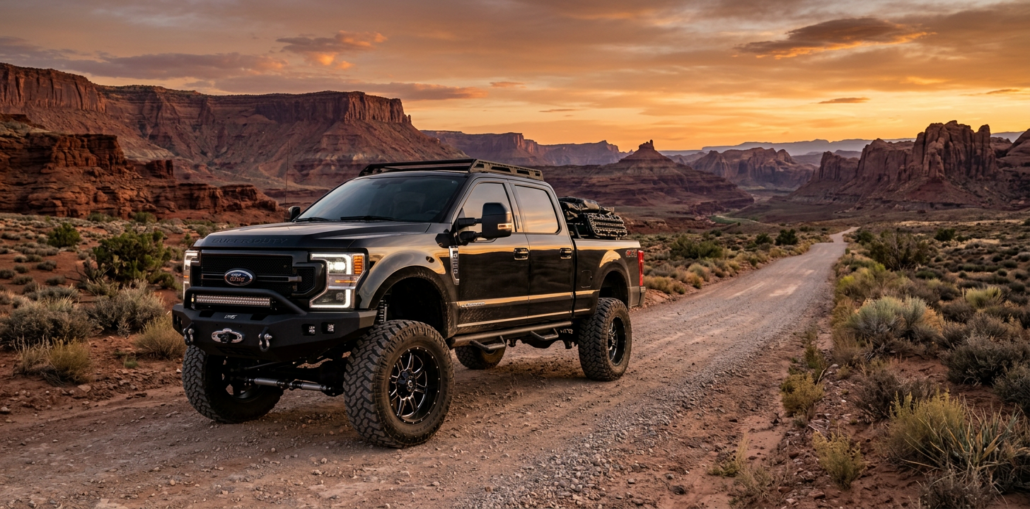
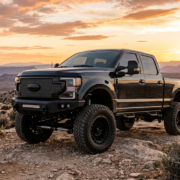
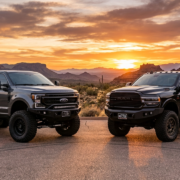
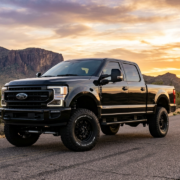
There’s nothing subtle about a lifted truck, and that’s exactly why people love them. You sit higher, see more of the road, roll on aggressive wheels and tires, and get a truck that feels ready for work, trails, towing, and weekend adventure.
But if you’re planning to commute in one every day, the decision gets more practical fast. The real lifted truck daily driver pros and cons come down to comfort, parking, fuel costs, towing needs, suspension quality, and whether the build actually fits your life.
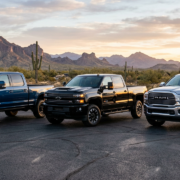
Here’s the thing. A lifted Ford F-250, Ram 2500, Chevrolet Silverado 2500HD, or GMC Sierra 2500HD can be a great daily driver when it’s built correctly. The key is knowing what to look for before you buy, not after you’ve already committed to the payment.
Lifted Truck Daily Driver Pros and Cons at a Glance
| Factor | Daily Driver Advantage | Daily Driver Tradeoff | Best Fit |
|---|---|---|---|
| Visibility | Higher seating position | Larger blind spots | Highway commuters |
| Ride height | Better clearance | Harder entry and exit | Off-road users |
| Tires | Stronger stance and traction | More road noise | Recreation buyers |
| Towing | Heavy-duty capability | Setup matters | Diesel truck buyers |
| Style | Custom appearance | Higher upkeep costs | Enthusiasts |
The Biggest Pros of Driving a Lifted Truck Every Day
You Get Excellent Road Visibility
One of the first things drivers notice is the commanding view. Sitting higher can make highway driving feel more confident, especially around traffic, construction zones, and crowded Arizona roads.
That said, visibility isn’t automatically better in every direction. A taller truck can create larger blind spots close to the bumper, so backup cameras, parking sensors, tow mirrors, and good driving habits matter.
Ground Clearance Is a Real Advantage
A lifted truck makes sense if your daily routine includes job sites, ranch roads, desert trails, boat ramps, rough driveways, or weekend camping routes. Extra clearance helps protect the underbody and gives you more confidence when the pavement ends.
For buyers comparing Lifted Trucks, this is where build quality matters. A well-chosen lift, tire size, wheel offset, and suspension setup can feel stable and useful, while a poorly matched setup can feel sloppy or tiring.
The Look Is Hard to Beat
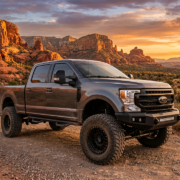
Let’s be honest, style is part of the appeal. A lifted Silverado HD on 37-inch tires or a Ram 3500 with a clean stance has presence that a stock truck just doesn’t match.
The best daily driver builds usually avoid going too extreme. A moderate lift often gives you the aggressive look you want while keeping ride quality, steering feel, and parking practicality closer to normal.
Heavy-Duty Lifted Trucks Can Still Work Hard
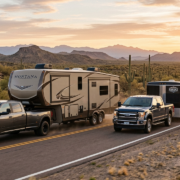
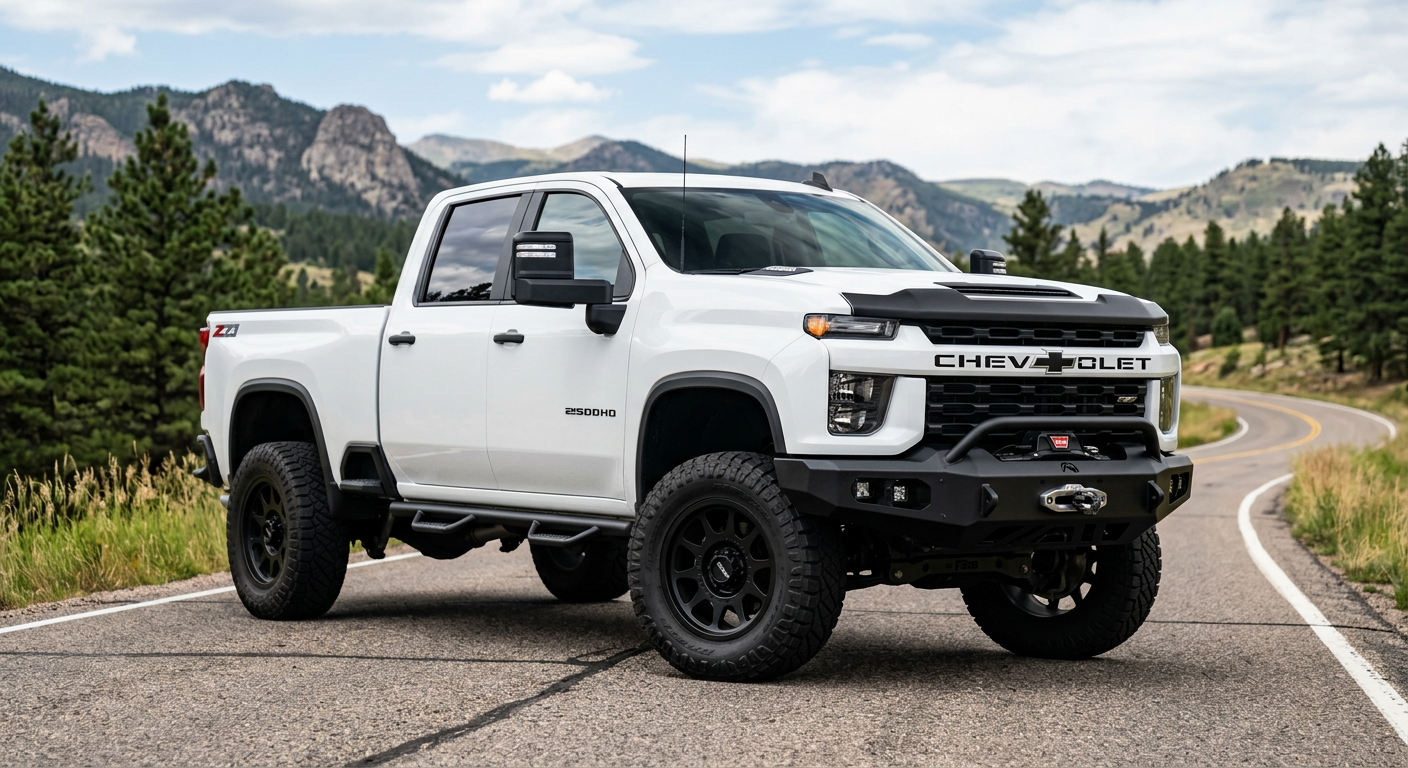
A properly equipped lifted diesel truck can still tow, haul, and handle serious work. Ford Super Duty, Ram Heavy Duty, Chevrolet Silverado HD, and GMC Sierra HD trucks are popular because they combine strong frames, powerful engines, and useful capability.
Before assuming any lifted truck is ready to tow your trailer, verify the exact rating, hitch setup, tire load rating, gearing, brake condition, and suspension components. You can compare serious towing-ready options in the Diesel Trucks inventory if you want torque and long-distance capability.
Daily Driving Can Be Comfortable With the Right Setup
Modern heavy-duty trucks can be surprisingly comfortable. Leather seats, large cabins, cooled seats, Apple CarPlay, adaptive cruise control, and upgraded suspension parts can make long commutes much easier than older lifted builds.
The Federal Highway Administration reported that the average U.S. motor vehicle traveled 11,408 miles in 2023, according to its Highway Statistics Series. If you’re putting that kind of mileage on a truck, seat comfort, tire noise, fuel economy, and steering feel aren’t minor details. They’re daily quality-of-life issues.
The Biggest Cons of a Lifted Truck as a Daily Driver
Fuel Costs Usually Go Up
Larger tires, added weight, altered aerodynamics, and aggressive tread patterns can reduce fuel economy. Diesel trucks may help on torque and highway range, but lift height and tire choice still affect efficiency.
If you drive mostly short city trips in Phoenix or Scottsdale traffic, expect the cost difference to be more noticeable. If you spend more time on open highways, a mild lift with quality tires may be easier to live with.
Parking Takes More Patience
Lifted trucks are wider, taller, and longer than most vehicles around them. Parking garages, drive-thru lanes, tight apartment spaces, and downtown spots can become more stressful.
Before buying, think about your actual routine. Will the truck fit at work? Will it clear your garage? Can you comfortably park it at the grocery store without circling the lot twice?
Entry and Exit Can Get Old
A big lift looks great, but climbing in and out every day can become annoying. This is especially true if you’re in work boots, carrying tools, loading kids, or making frequent stops.
Power running boards or fixed side steps help a lot. For many daily drivers, they’re not just a nice upgrade, they’re what makes the truck practical.
Ride Quality Depends on the Lift Kit
Not all lifted trucks ride the same. A quality suspension lift with good shocks, proper alignment, and correct geometry can feel composed. A cheap lift or worn setup can wander, bounce, vibrate, or chew through tires.
This is where a test drive matters. Pay attention to steering response, braking feel, vibrations at highway speed, and whether the truck tracks straight without constant correction.
Safety and Handling Require Respect
Lifted trucks have a higher center of gravity than stock trucks, which can affect emergency handling. The National Highway Traffic Safety Administration explains through its rollover research that vehicle design, stability, and rollover behavior are important safety considerations.
That doesn’t mean a lifted truck is unsafe by default. It means you should avoid overdriving it, choose quality components, keep tires properly inflated, and understand that a tall heavy-duty pickup won’t handle like a sedan.
Best Lift Heights for a Daily Driver
Two to Four Inches
This is usually the sweet spot for buyers who want the lifted look without sacrificing too much comfort. You get improved stance and clearance while keeping entry height, fuel economy, and drivability more manageable.
A two to four-inch lift works well on Ford F-250, GMC Sierra 2500HD, Ram 2500, and Silverado 2500HD trucks used for commuting, light towing, and weekend recreation.
Four to Six Inches
This range delivers a more aggressive look and fits larger tires, but the tradeoffs become more noticeable. You may deal with more wind resistance, more tire noise, and tighter parking limitations.
For many truck enthusiasts, this is still daily-drivable if the build is done right. Just make sure you test it on the highway before deciding.
Six Inches and Up
Big lifts make a statement, but they’re less convenient for everyday use. They can be great for show builds, off-road style, or buyers who prioritize presence over practicality.
If you’re looking at a six-inch-plus truck, inspect the suspension components closely and ask how the truck was used. Also confirm that the wheels, tires, brakes, steering, and driveline angles are properly matched.
What to Check Before Buying a Lifted Daily Driver
Suspension Quality
Look for name-brand lift components, clean installation, solid shocks, no leaking, no clunks, and even tire wear. A lifted truck should feel controlled, not loose or unpredictable.
If you’re comparing trucks online, ask for photos of the suspension, tires, underbody, and steering components. This can tell you a lot before you schedule a test drive.
Tire Size and Tread Pattern
Mud-terrain tires look aggressive, but they’re often louder and rougher on pavement. All-terrain tires are usually the better daily driver choice because they balance traction, tread life, and noise.
Also check tire load rating. This is especially important on heavy-duty diesel trucks used for towing or hauling.
Gearing and Powertrain Match
Big tires can change how a truck accelerates, shifts, and tows. Diesel engines like Power Stroke, Cummins, and Duramax platforms often handle larger tires better because they produce strong low-end torque.
Still, don’t assume every lifted diesel is automatically dialed in. Drive it at city speeds, highway speeds, and during low-speed turns to feel how the setup works in the real world.
Towing and Payload Needs
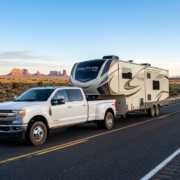
If you tow a toy hauler, fifth wheel, work trailer, or boat, the lift setup matters. Taller tires can affect hitch height, braking, gearing, and stability.
Buyers who need a truck primarily for job sites or commercial use may also want to compare Work Trucks alongside lifted pickups. Sometimes a stock or mildly lifted heavy-duty truck is the smarter business tool.
Who Should Daily Drive a Lifted Truck?
A lifted truck makes the most sense if you enjoy the stance, need clearance, want a capable weekend truck, and don’t mind higher operating costs. It’s also a strong fit if you tow occasionally, travel on rough roads, or want a truck that can handle work and recreation.
It may not be ideal if you drive in tight urban areas every day, park in low garages, want maximum fuel economy, or need the easiest possible entry and exit. In that case, a stock diesel truck, mildly leveled truck, or quality used SUV may be a better fit.
Find a Lifted Truck That Actually Fits Your Life
If you’re ready to compare lifted trucks in person, start with the View Current Inventory page or browse dedicated Lifted Trucks. You can also Get Pre-Qualified, value a trade, or ask about nationwide shipping before making the trip.
The right truck should look great, drive confidently, and match your budget, commute, towing needs, and weekend plans. If you’re unsure, call the Unique Trucks Team at (480) 210-2660 and talk through your options with someone who understands lifted and diesel trucks.
FAQs About Lifted Trucks as Daily Drivers
Is a lifted truck good for daily driving?
Yes, a lifted truck can be a good daily driver if the lift is moderate, the suspension is quality, the tires are road-friendly, and the truck fits your parking and commuting needs. The best daily lifted trucks feel stable, track straight, and don’t require constant steering correction.
What is the best lift size for a daily driver truck?
For most buyers, a two to four-inch lift is the most practical daily driver range. It improves stance and clearance without making entry, fuel economy, parking, and ride comfort too difficult.
Do lifted trucks use more fuel?
Usually, yes. Bigger tires, added weight, and increased wind resistance can reduce fuel economy, especially in city driving. Diesel trucks may still offer strong highway range, but the lift and tire setup will affect real-world costs.
Are lifted diesel trucks better for daily driving than gas trucks?
Lifted diesel trucks are often better for towing, long-distance driving, and heavy-duty use because of their torque. Gas trucks can cost less to maintain and may make more sense if you drive shorter distances and don’t tow heavy trailers.
Can a lifted truck still tow safely?
Yes, but the setup has to be right. Check the truck’s factory tow rating, tire load rating, hitch height, brake condition, suspension quality, and steering geometry before towing regularly.
What should I test during a lifted truck test drive?
Drive at city speed, highway speed, over bumps, through turns, and while braking firmly. Listen for clunks, feel for vibration, check steering response, and make sure the truck tracks straight.
Final Thoughts on Lifted Truck Daily Driver Pros and Cons
A lifted truck can be a fantastic daily driver when it’s chosen with real life in mind. The best builds give you the stance, visibility, clearance, and capability you want without making every commute feel like a compromise.
Focus on the total package, not just the tallest lift or biggest tire. If the truck fits your routine, handles confidently, and supports your towing or work needs, it can be both practical and seriously fun to own.
About Unique Trucks
Unique Trucks is a family-owned dealership with over 20 years of experience serving truck buyers from Scottsdale, Phoenix, throughout Arizona, and across the United States. The dealership specializes in quality pre-owned lifted trucks, diesel trucks, work trucks, heavy-duty pickups, custom builds, and used SUVs.
The Unique Trucks Team offers competitive financing, trade-ins, vehicle sourcing, and nationwide shipping to help customers find the right truck with a no-pressure buying experience.
Browse the current inventory, get pre-qualified, or call (480) 210-2660 to speak with the Unique Trucks Team today.