Used Diesel vs Gas Trucks Pros and Cons for Smart Truck Buyers
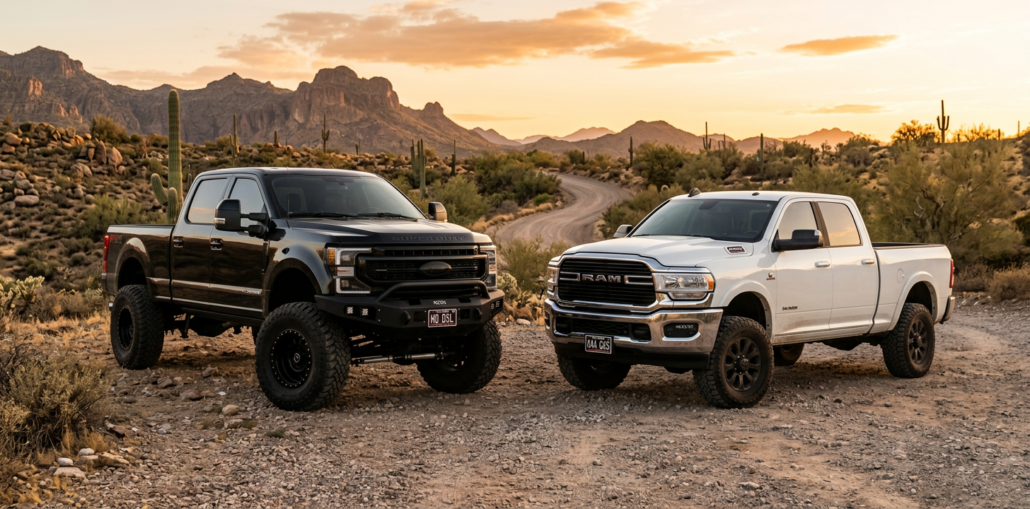
A truck can look perfect online, sound great on a test drive, and still be the wrong fit if the engine doesn’t match how you actually drive. That’s why comparing used diesel vs gas trucks pros and cons matters before you fall in love with a Ford Super Duty, Chevrolet Silverado HD, GMC Sierra HD, or Ram Heavy Duty.
Here’s the thing: diesel isn’t automatically better, and gas isn’t automatically cheaper. The right choice depends on towing frequency, mileage, payload needs, upkeep budget, local fuel costs, and whether the truck is for work, recreation, daily driving, or all three.
According to the U.S. Department of Energy Alternative Fuels Data Center, one gallon of diesel contains about 113% of the energy found in one gasoline gallon equivalent. That helps explain why diesel trucks often shine under load, but total ownership cost still comes down to the whole truck, not just the fuel door.
Diesel vs Gas Trucks at a Glance
| Factor | Diesel Truck | Gas Truck | Best Fit |
|---|---|---|---|
| Heavy towing | Excellent | Good | Diesel |
| Purchase price | Usually higher | Usually lower | Gas |
| Fuel economy under load | Strong | Drops faster | Diesel |
| Upkeep costs | Higher | Lower | Gas |
| Daily short trips | Less ideal | Easier | Gas |
| Resale demand | Often strong | Broad appeal | Depends on market |
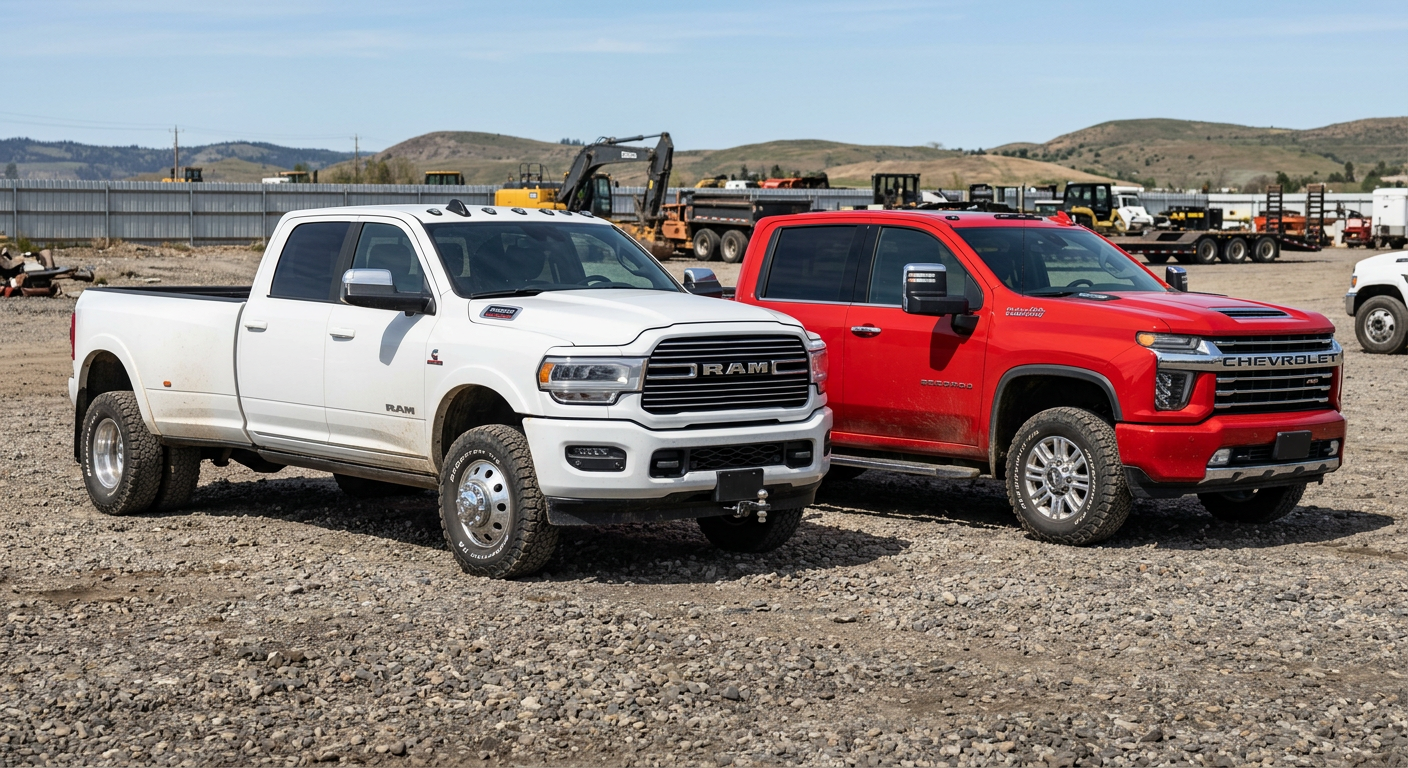
Used Diesel vs Gas Trucks Pros and Cons Explained
Diesel Truck Pros
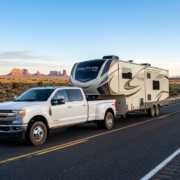
Diesel trucks are built for torque. If you regularly tow a fifth wheel, equipment trailer, horse trailer, enclosed car hauler, or commercial load, a diesel engine like a Cummins, Duramax, or Power Stroke can feel calmer and more confident than a comparable gas engine.
Diesel engines also tend to hold steady fuel economy better while towing. A gas truck may do fine unloaded, then drop sharply with weight behind it. Diesel usually handles that load with less strain, especially in heavy-duty pickups like the Ford F-250, Ford F-350, Ram 2500, Ram 3500, Chevrolet Silverado 2500HD, Chevrolet Silverado 3500HD, GMC Sierra 2500HD, and GMC Sierra 3500HD.
Diesel Truck Cons
The biggest diesel drawback is upfront cost. Used diesel trucks often cost more than gas trucks with similar mileage, trim, and condition because demand stays strong among towing, work, and long-haul buyers.
Upkeep can also be more expensive. Oil changes often require more oil, fuel filters matter, and modern emissions equipment can add cost if neglected. If you mostly take short city trips, idle often, or drive only a few miles at a time, diesel may not be the smartest match.
Gas Truck Pros and Cons
Gas Truck Pros
Gas trucks are usually simpler to own. They often cost less to buy, maintenance is generally less expensive, and repairs can be easier to budget for. For many Arizona buyers who want a lifted truck for daily driving, weekend off-road trips, home projects, or occasional towing, a gas V8 can make plenty of sense.
Gas engines also warm up faster and handle short trips better. If your truck spends most of its life commuting around Scottsdale, Phoenix, Mesa, Glendale, or Tempe, a gas truck may be more comfortable, practical, and affordable.
Gas Truck Cons
Gas trucks usually work harder when towing heavy. You may notice higher rpm, more downshifting, and lower fuel economy when pulling a trailer through hills, heat, or long highway grades.
A gas heavy-duty pickup can still be a great truck, especially with the right axle ratio and towing package. But if you’re consistently near the upper end of towing or payload needs, diesel should be high on your list.
Total Cost Matters More Than Fuel Type
Fuel economy gets most of the attention, but it’s only one piece of ownership. The AAA Your Driving Costs report shows that half-ton crew-cab pickups can carry higher annual ownership costs than many other vehicle categories when depreciation, fuel, maintenance, insurance, fees, and finance charges are included.
That’s why the smartest move is to compare real trucks, not just engine theories. A clean used gas truck with lower miles may beat a neglected diesel on value. On the other hand, a well-maintained diesel with the right service history can be worth paying more for if you tow often.
When a Used Diesel Truck Makes the Most Sense
A used diesel truck is usually the better fit if you:
- Tow heavy trailers several times a month
- Drive longer highway miles
- Need strong low-rpm torque
- Want a one-ton, dually, or serious work truck
- Plan to keep the truck for several years
- Value resale demand in the heavy-duty market
For buyers comparing Power Stroke, Duramax, and Cummins options, Diesel Trucks are worth a closer look because condition, service history, tire setup, lift quality, and towing equipment all affect real-world value.
When a Used Gas Truck Makes the Most Sense
A used gas truck is often the better choice if you:
- Tow only occasionally
- Mostly drive around town
- Want a lower purchase price
- Prefer simpler maintenance
- Don’t need maximum torque
- Want a lifted truck for lifestyle, recreation, or daily use
Gas trucks can be especially appealing in the lifted truck market. If the goal is stance, capability, comfort, and weekend fun, browse options like Lifted Trucks and compare engine, suspension, tires, mileage, and overall condition side by side.
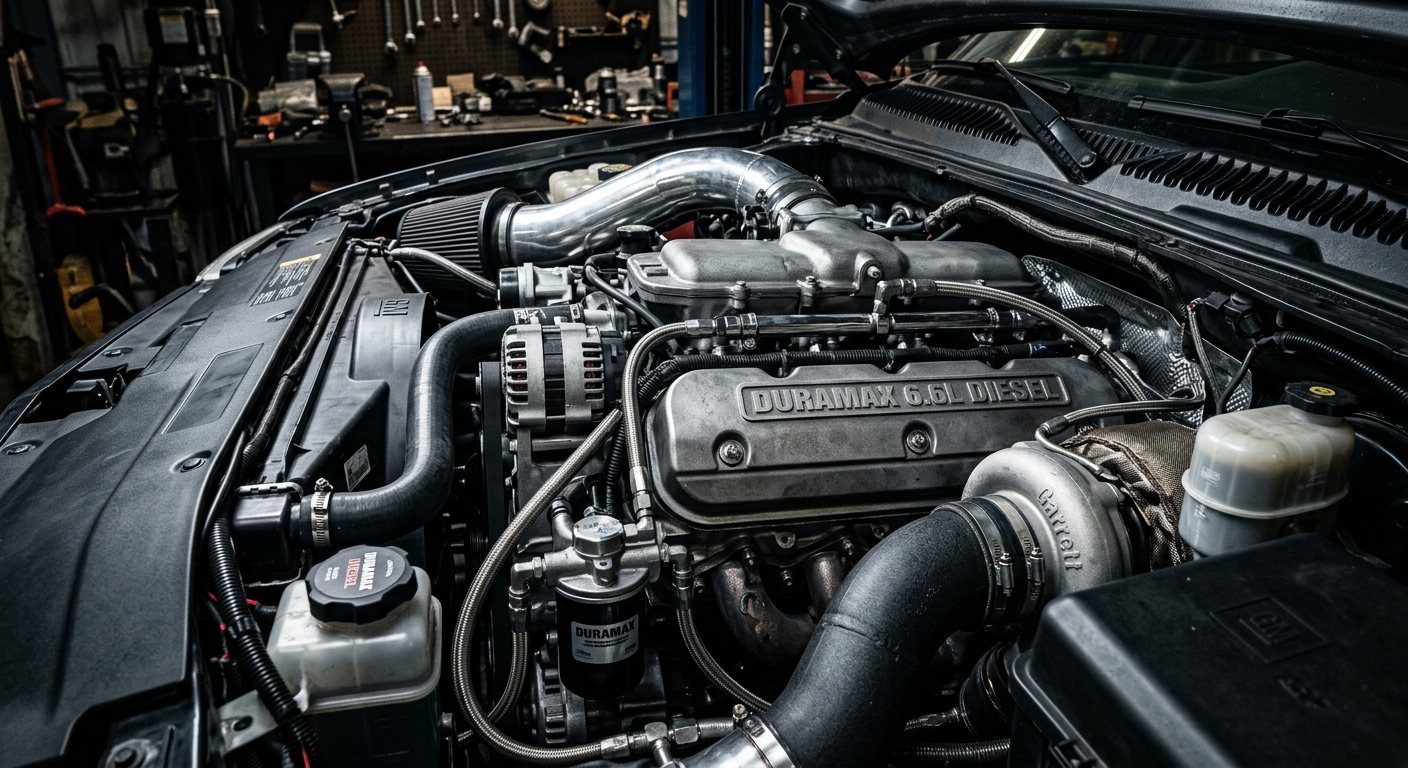
Towing, Payload, and Real-World Truck Use
Towing capacity and payload are not the same thing. A diesel truck may have huge towing numbers, but payload still depends on cab configuration, bed length, drivetrain, axle rating, trim, and installed accessories.
This matters with lifted trucks, too. Larger wheels, tires, bumpers, and suspension upgrades can change ride feel and usable capacity. If you’re buying for commercial work, equipment hauling, RV towing, or frequent trailer use, compare the door sticker, hitch rating, axle ratio, and service records before deciding.
For business owners and contractors, Work Trucks can be a smart place to compare diesel and gas options built for hauling tools, crews, trailers, and jobsite gear.
Used Truck Buying Checklist
Before you choose diesel or gas, look at the exact truck in front of you. A great engine choice won’t save a poorly cared-for pickup.
Check these items before buying:
- Service history and maintenance records
- Tire wear and suspension condition
- Signs of heavy towing or overload use
- Brake condition
- Transmission behavior
- Fluid leaks
- Lift kit quality, if applicable
- Interior wear compared with mileage
- Frame, underbody, and hitch condition
- Title, ownership, and accident history
If you already know the truck you want but don’t see it in stock, a Vehicle Finder request can help narrow your options by brand, engine, trim, budget, mileage, lift height, towing needs, and drivetrain.
Get Help Choosing the Right Truck
Still weighing diesel torque against gas simplicity? View the current inventory, explore Truck Financing, or call (480) 210-2660 to talk through your towing needs, trade-in, budget, and delivery options.
Unique Trucks helps buyers in Scottsdale, Phoenix, across Arizona, and nationwide compare pre-owned diesel trucks, gas trucks, lifted trucks, dually trucks, work trucks, and SUVs with a practical, no-pressure approach.
FAQs About Diesel vs Gas Trucks
Is a used diesel truck worth it?
A used diesel truck is worth it if you tow heavy, drive longer distances, or need the torque of a heavy-duty pickup. If you mainly commute or tow a small trailer once in a while, a gas truck may cost less to buy and maintain.
Are gas trucks cheaper to maintain than diesel trucks?
In many cases, yes. Gas trucks generally have lower routine service costs, while diesel trucks can cost more for oil changes, fuel filters, emissions components, and specialized repairs.
Which lasts longer, diesel or gas trucks?
Diesel engines are often built for heavy-duty use and can last a long time with proper care. That said, maintenance history matters more than the badge. A well-kept gas truck is usually a better buy than a poorly maintained diesel.
Should I buy diesel if I don’t tow?
Probably not unless you simply prefer diesel power and accept the added cost. If you don’t tow, haul heavy, or drive long highway miles, a gas truck can be the more practical choice.
Is diesel better for lifted trucks?
Diesel can be excellent in a lifted heavy-duty truck because the torque helps move larger tires and added weight. Gas lifted trucks can still be great for daily driving, trails, and weekend use, especially when towing demands are moderate.
What brands should I compare?
Start with Ford Super Duty, Chevrolet Silverado HD, GMC Sierra HD, and Ram Heavy Duty trucks. Then compare engine type, mileage, condition, service records, axle ratio, trim, suspension, tires, and towing equipment.
Final Takeaway
The best choice is not diesel or gas in general. It’s the truck that fits your real driving life. Diesel wins for frequent heavy towing, long trips, and serious work, while gas wins for lower purchase cost, simpler upkeep, and everyday convenience.
If you’re comparing used diesel vs gas trucks pros and cons, start with how often you tow, how far you drive, and how long you plan to keep the truck. Once those answers are clear, the right pickup usually becomes obvious.
About Unique Trucks
Unique Trucks is a family-owned dealership with over 20 years of experience serving truck buyers from Scottsdale, Phoenix, throughout Arizona, and across the United States. The dealership specializes in quality pre-owned lifted trucks, diesel trucks, work trucks, heavy-duty pickups, custom builds, and used SUVs.
The Unique Trucks Team offers competitive financing, trade-ins, vehicle sourcing, and nationwide shipping to help customers find the right truck with a no-pressure buying experience.
Browse the current inventory, get pre-qualified, or call (480) 210-2660 to speak with the Unique Trucks Team today.