How to Get the Most Trade In Value for a Truck Before You Buy

Trading in your truck shouldn’t feel like guessing at a number and hoping the dealer agrees. A heavy-duty pickup, diesel truck, lifted truck, or work truck can carry serious value, but small details can change the offer fast.
If you’re wondering how to get the most trade in value for a truck, the short answer is this: make the truck easy to appraise, easy to resell, and easy to verify. That means clean condition, strong records, realistic pricing expectations, and timing your trade before wear, mileage, or market shifts work against you.
Here’s the thing most truck owners miss. Dealers don’t only look at miles and year. They look at demand for your exact truck, engine, trim, drivetrain, modifications, tires, service history, title status, and how much reconditioning it needs before it can be sold.
Trade In Value Factors at a Glance
| Factor | Why It Matters | Best Move |
|---|---|---|
| Condition | Impacts reconditioning cost | Detail and fix small issues |
| Mileage | Affects retail demand | Trade before big mileage jumps |
| Service history | Builds buyer confidence | Bring maintenance records |
| Truck setup | Diesel, 4×4, lift, towing parts | Document quality upgrades |
| Local demand | HD trucks vary by region | Compare similar trucks |
Know What Your Truck Is Really Worth
Before you ask for an offer, get a realistic value range. Use reputable valuation tools, compare similar trucks for sale, and be honest about your truck’s condition.
Kelley Blue Book notes that vehicle values are influenced by factors like make, model, year, condition, mileage, and location through its dealer valuation resources at Kelley Blue Book B2B. That matters for truck owners because a Ram 3500 Cummins dually in strong condition may bring a very different offer than a half-ton gas truck with similar mileage.
You should also separate three numbers in your mind: retail price, private-party value, and trade in value. Retail is what a dealer may list the truck for after inspection, service, detailing, photos, marketing, warranty options, and overhead. Trade value is what the dealer can offer while still accounting for those costs.
Compare Similar Trucks, Not Just Similar Years
A 2021 Ford F-250 Lariat Power Stroke and a 2021 F-250 XL gas work truck are not the same market. Engine, cab configuration, bed length, trim, axle ratio, 4×4 system, and towing packages all matter.
If you own a diesel, compare it against other diesel trucks. If it’s lifted, compare it against properly built lifted trucks, not stock pickups. If it’s a work truck, compare utility, mileage, equipment, and fleet-ready condition.
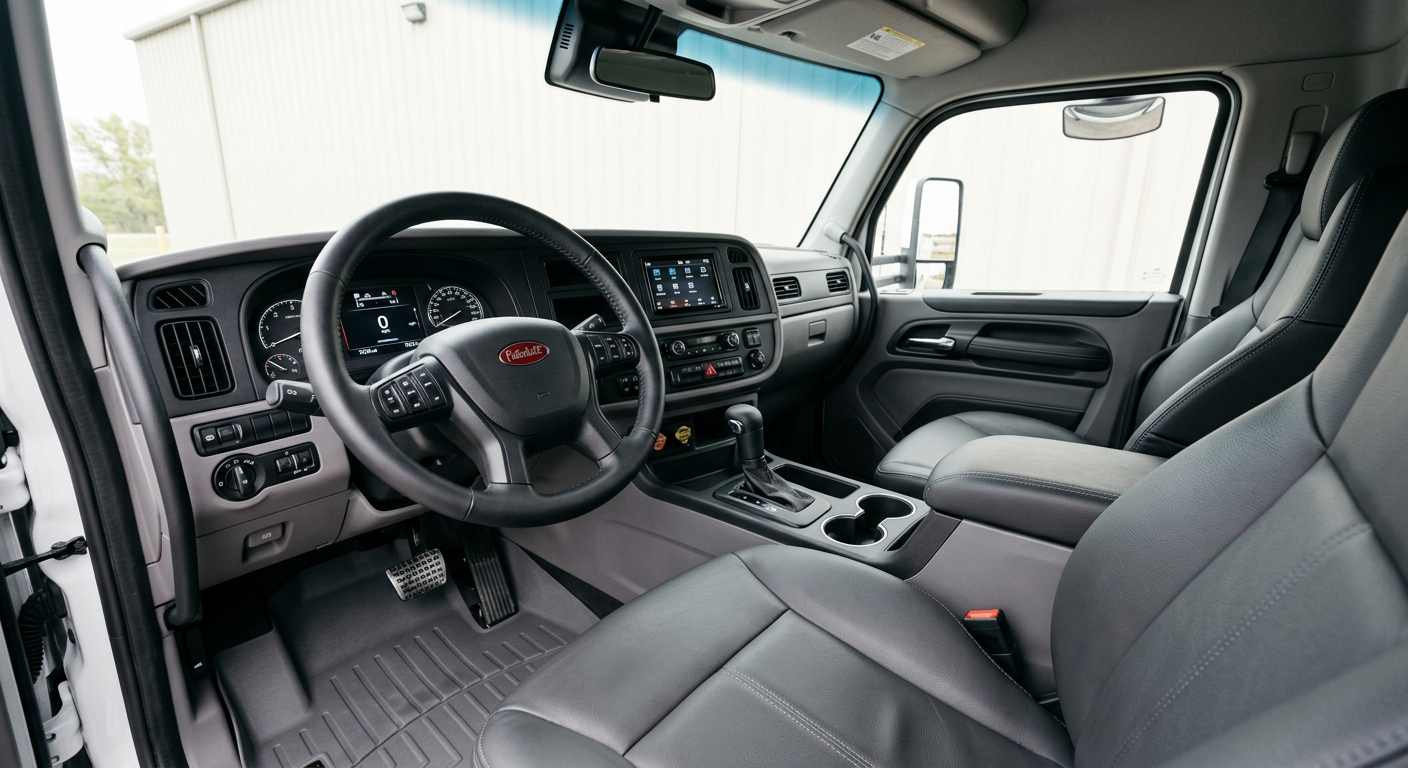
Clean It Like the Appraiser Is the Next Buyer
First impressions count. A clean truck suggests care, while a dirty cabin, stained seats, muddy suspension, or trash in storage bins tells the appraiser to look harder for problems.
You don’t need a full restoration. You do need a proper wash, interior detail, tire cleaning, glass cleaning, odor removal, and bed cleanup. If your truck has pet hair, smoke smell, spilled coffee, or jobsite dust everywhere, fix that before the appraisal.
Don’t Hide Wear, Reduce the Distraction
Small scratches, scuffed trim, worn floor mats, cloudy headlights, and missing tow hook covers can make a truck feel rougher than it really is. Fix inexpensive cosmetic issues when the repair costs less than the value they may protect.
Skip major repairs unless you’ve priced them carefully. Spending thousands right before trading can backfire if the dealer could have handled the repair at a lower internal cost.
Bring the Paperwork That Proves the Truck Was Cared For
Maintenance records help remove doubt. Bring oil change history, transmission service records, diesel fuel filter replacements, DEF system work, tire receipts, lift kit paperwork, alignment records, and any warranty documents.
This is especially important for Power Stroke, Cummins, and Duramax trucks. Diesel buyers care about maintenance because repairs can be expensive, and a clean service trail helps the next owner feel more confident.
If you installed aftermarket parts, bring the receipts. Quality suspension components, name-brand wheels, upgraded tires, bed covers, running boards, fifth-wheel prep, air bags, and auxiliary fuel tanks may support value when they’re documented and professionally installed.
Be Smart About Modifications
Truck modifications can help or hurt depending on quality, taste, and usability. A clean, properly installed lift with good tires and correct alignment can improve appeal. A rough lift, chopped wiring, cheap lighting, uneven stance, or mismatched tires can lower confidence.
For lifted trucks, make sure the setup looks complete. Tires should have usable tread, the truck should drive straight, warning lights should be addressed, and suspension parts should look safe and well maintained.
If you’re planning to upgrade into another lifted truck, browsing professionally selected Lifted Trucks can also help you understand what clean builds look like in today’s market.
Time the Trade Before Mileage and Repairs Catch Up
Mileage milestones matter. Trading before crossing 100,000, 150,000, or 200,000 miles can sometimes protect your offer, especially on trucks where financing, warranty options, or buyer demand change at those points.
Condition timing matters too. If tires are nearly bald, brakes are grinding, emissions work is pending, or warning lights just appeared, the appraiser has to account for those costs. You’ll usually do better trading while the truck still presents as road-ready.
A recent AP article using Edmunds data reported that 30.9% of trade-ins toward a new vehicle purchase carried negative equity in the first part of 2026, according to The Associated Press. If you owe more than your truck is worth, knowing that gap early helps you decide whether to trade now, pay down the loan, or choose a more affordable replacement.
Get Your Payoff Before You Shop
If your truck is financed, ask your lender for the exact payoff amount. Don’t rely on the balance shown in your app because payoff can include interest through a specific date.
Once you know the payoff, compare it to your trade estimate. Positive equity can reduce your next loan amount. Negative equity may need to be paid down, rolled into the next loan, or handled with a larger down payment.
If financing is part of your next purchase, it helps to review Truck Financing options and get a realistic budget before you commit to a trade number.
Keep the Trade and Purchase Numbers Clear
A common mistake is focusing only on monthly payment. You want to know the truck price, trade allowance, payoff, taxes, fees, rate, term, and down payment.
Ask for the numbers in plain language. A strong trade offer doesn’t help much if the next truck is overpriced, and a discounted truck can still be a good deal even if the trade number is slightly lower than expected.
The goal is the best total transaction, not just the highest trade line.
Choose the Right Place to Appraise Your Truck
Not every dealer values every truck the same way. A store that mainly sells compact cars may not understand the demand for a clean F-350 dually, Ram 2500 Cummins, Silverado 2500HD Duramax, or custom lifted GMC Sierra.
A truck-focused dealership can often appraise heavy-duty pickups more accurately because they understand towing packages, diesel engines, lifts, tires, trim levels, and regional demand. If your truck fits that category, you can start with Sell or Trade Your Vehicle and bring clear photos, VIN, mileage, payoff, and service details.
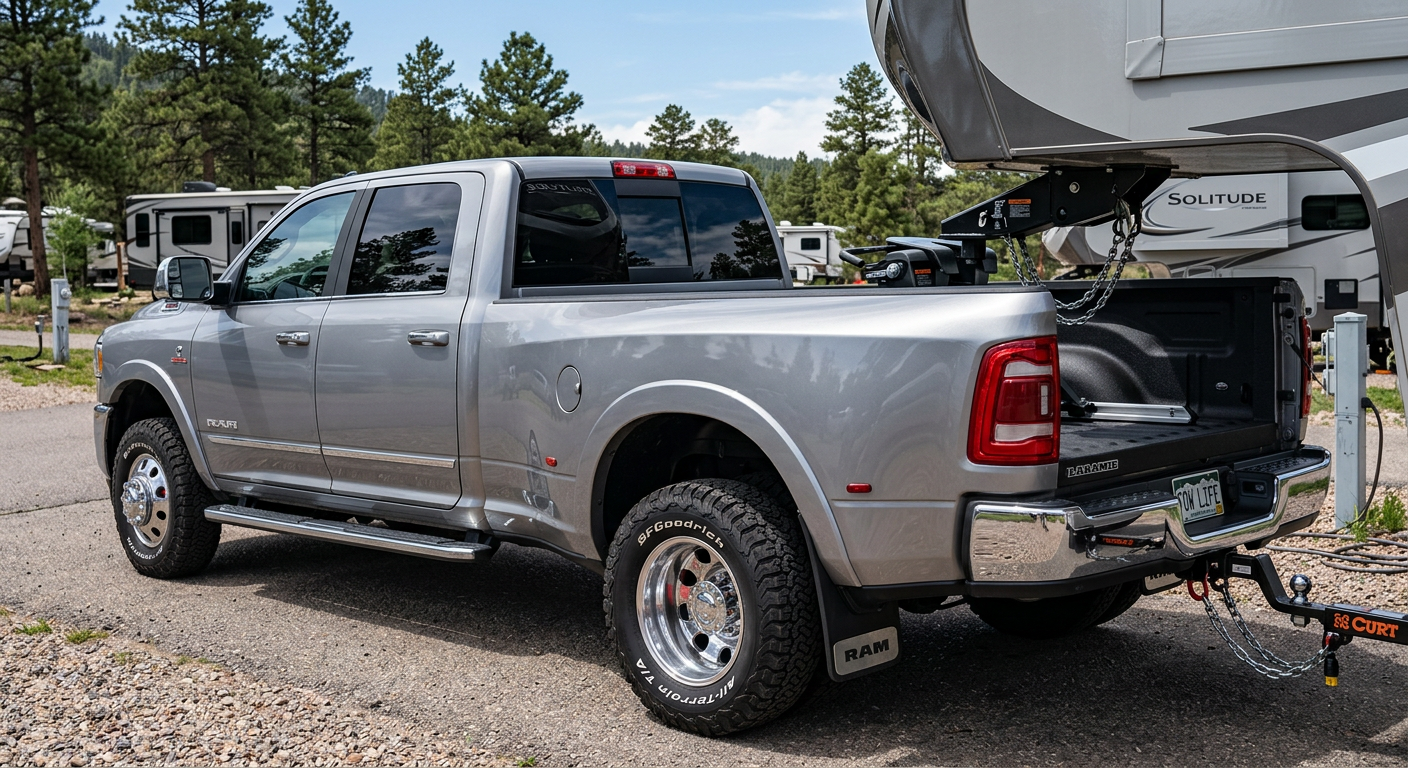
How to Get the Most Trade In Value for a Truck Without Overdoing It
You don’t have to spend a fortune to improve your offer. Start with the basics that remove doubt and make the truck easier to resell.
Quick Pre-Appraisal Checklist
- Wash and detail the exterior
- Clean the cabin, floor mats, storage areas, and bed
- Remove personal items, decals, and clutter
- Bring both keys if available
- Gather maintenance and repair records
- Note tire age, tread depth, and recent service
- Fix minor bulbs, wipers, and easy cosmetic issues
- Know your loan payoff before arriving
- Bring documentation for lift kits, wheels, tires, and accessories
- Be honest about accidents, title status, and known issues
This checklist works because it lowers uncertainty. The fewer question marks an appraiser has, the easier it is to make a confident offer.
What Not to Do Before Trading Your Truck
Don’t make expensive upgrades right before trading unless you’ve confirmed they’ll matter. New wheels, stereo systems, lighting, wraps, or performance parts may not produce a dollar-for-dollar increase.
Don’t ignore warning lights. Even if the truck drives fine, dashboard lights create risk for the buyer and usually reduce the offer.
Don’t remove useful equipment that belongs with the truck. Missing hitches, spare tires, bed covers, tailgates, or factory parts can reduce value, especially on work trucks and heavy-duty pickups.
Upgrade Into the Right Truck With Confidence
If you’re ready to trade into a diesel, lifted truck, heavy-duty pickup, work truck, or SUV, the Unique Trucks Team can help you compare options, value your trade, and line up financing without pressure. Browse View Current Inventory, start with Get Pre-Qualified, or call (480) 210-2660 to talk through your next step.
FAQs About Truck Trade In Value
Should I detail my truck before trading it in?
Yes. A clean truck helps the appraiser see the real condition without being distracted by dirt, odor, clutter, or stains. A professional detail can be worth it if the truck looks heavily used inside or out.
Do lifted trucks get more trade in value?
Sometimes. A quality lift, good tires, proper alignment, and documented parts can help a lifted truck appeal to the right buyer. Poorly installed or overly customized modifications can reduce value.
Is a diesel truck worth more as a trade?
Diesel trucks often hold strong value when they’re clean, well maintained, and matched with desirable configurations like 4×4, crew cab, long bed, towing packages, or dually setups. Mileage, emissions condition, service records, and engine reputation still matter.
Should I fix mechanical problems before trading my truck?
Fix small, inexpensive issues first. For larger repairs, ask for an appraisal before spending money because a dealer may account for repairs differently than a retail repair shop.
What if I owe more than my truck is worth?
You still may be able to trade, but you’ll need to understand the negative equity. You can pay the difference, bring a larger down payment, choose a lower-priced replacement, or wait and pay the loan down further.
Can I trade a work truck with high mileage?
Yes, but condition and service history become even more important. Fleet-style trucks, utility trucks, and heavy-duty pickups can still be valuable when they’re clean, functional, and properly documented.
Final Thoughts on Getting a Strong Truck Trade Offer
The best trade offers usually go to trucks that are clean, easy to verify, desirable, and simple to resell. You don’t need tricks. You need preparation, honest condition details, paperwork, and the right appraisal partner.
When you understand how to get the most trade in value for a truck, you walk into the deal with more confidence. That confidence helps you compare the full purchase, protect your equity, and move into the right truck for work, towing, recreation, or daily driving.
About Unique Trucks
Unique Trucks is a family-owned dealership with over 20 years of experience serving truck buyers from Scottsdale, Phoenix, throughout Arizona, and across the United States. The dealership specializes in quality pre-owned lifted trucks, diesel trucks, work trucks, heavy-duty pickups, custom builds, and used SUVs.
The Unique Trucks Team offers competitive financing, trade-ins, vehicle sourcing, and nationwide shipping to help customers find the right truck with a no-pressure buying experience.
Browse the current inventory, get pre-qualified, or call (480) 210-2660 to speak with the Unique Trucks Team today.