Diesel Truck Maintenance Tips to Protect Your Heavy-Duty Pickup

A diesel pickup can be an exceptional long-term workhorse, but only if its service history is as solid as its towing numbers. Whether we use a Ram 2500 Cummins for equipment trailers, a Duramax-powered Silverado HD for jobsite duty, or a Ford Super Duty for weekend towing, small service decisions add up fast.
The smartest diesel truck maintenance tips are not about chasing every aftermarket fix. They are about protecting the fuel system, watching the emissions equipment, using the right fluids, and responding early when the truck tells us something is off. That approach helps preserve dependability, resale value, and confidence when a loaded trailer is behind the hitch.
Diesel Truck Maintenance Tips That Matter Most
| Maintenance area | What to watch | Why it matters | Buyer takeaway |
|---|---|---|---|
| Fuel filters | Water, restricted flow | Protects injectors | Verify service records |
| Engine oil | Correct spec and interval | Protects turbo and internals | Avoid vague oil-change history |
| DEF and emissions | Warnings, quality, storage | Helps prevent derate issues | Scan for active codes |
| Cooling system | Coolant condition and leaks | Manages towing heat | Inspect before summer hauling |
| Transmission and driveline | Fluid service and vibration | Supports heavy loads | Road-test under load when possible |
Keep Fuel Clean and Change Filters on Schedule
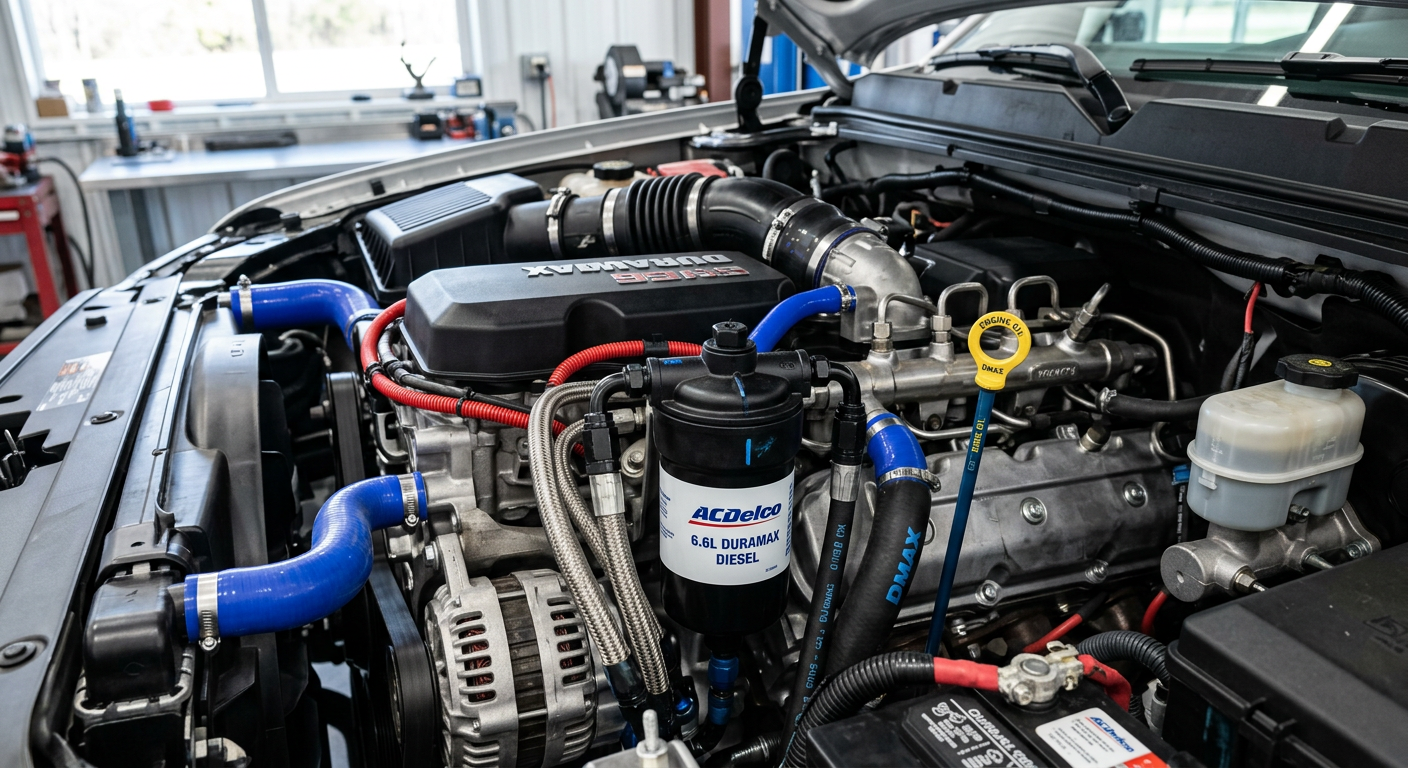
Modern common-rail diesel injection systems operate with extremely tight tolerances. Dirty fuel or water contamination can damage injectors, pumps, and other expensive components, which is why the fuel filter is not a service item to postpone.
We recommend following the truck manufacturer’s fuel-filter interval, then shortening that interval when the truck works in dusty conditions, sits for long periods, or regularly fuels from unfamiliar locations. If a used diesel truck has no documented filter service, build that expense into the purchase plan and handle it right away.
Pay attention to hard starts, rough idle, hesitation under throttle, reduced power, or a fuel-related warning message. Those symptoms do not automatically mean major damage, but they do mean the truck deserves a professional inspection before a small issue becomes a costly one.
Use the Correct Oil, Not Just Any Diesel Oil
A heavy-duty pickup needs oil that matches its engine and emissions-system requirements. Oil viscosity, oil specification, towing use, climate, idle time, and model year can all affect the proper service plan, especially for Power Stroke, Cummins, and Duramax engines.
Arizona heat is another reason to stay disciplined. High ambient temperatures, long grades, and heavy trailers can stress a truck that is already overdue for oil service. Check the owner’s manual, use a reputable filter, and keep invoices. A detailed maintenance file gives the next owner a reason to trust the truck, and it gives us a clearer picture of how it has been cared for.
Treat DEF and Emissions Warnings as Early Alerts
Diesel exhaust fluid, or DEF, is part of the selective catalytic reduction system found on most newer diesel pickups. The U.S. Environmental Protection Agency explains that these systems use DEF to reduce nitrogen oxide emissions, and its light-truck guidance established a minimum DEF refill interval of 4,000 miles. That is a regulatory minimum, not a substitute for watching your truck’s level and warnings. EPA Diesel Exhaust Fluid Fact Sheet
Keep DEF in a sealed container, avoid contamination, and do not use old fluid that has been stored poorly in extreme heat. If a DEF, DPF, or check-engine warning appears, diagnose it promptly. Waiting for a warning to become a power-limiting condition is a bad plan when the truck is needed for work or towing.
Most importantly, do not delete or bypass emissions equipment. Beyond legal concerns, altered systems can create financing, trade-in, resale, and inspection headaches. A clean, properly functioning truck is typically easier to own and easier to sell.
Give the Cooling System Extra Attention Before Towing Season
A diesel engine makes serious power, and towing makes it work even harder. Check coolant level only when the engine is cool, look for leaks around hoses and fittings, and inspect the radiator area for blocked airflow from dust, debris, or bugs.
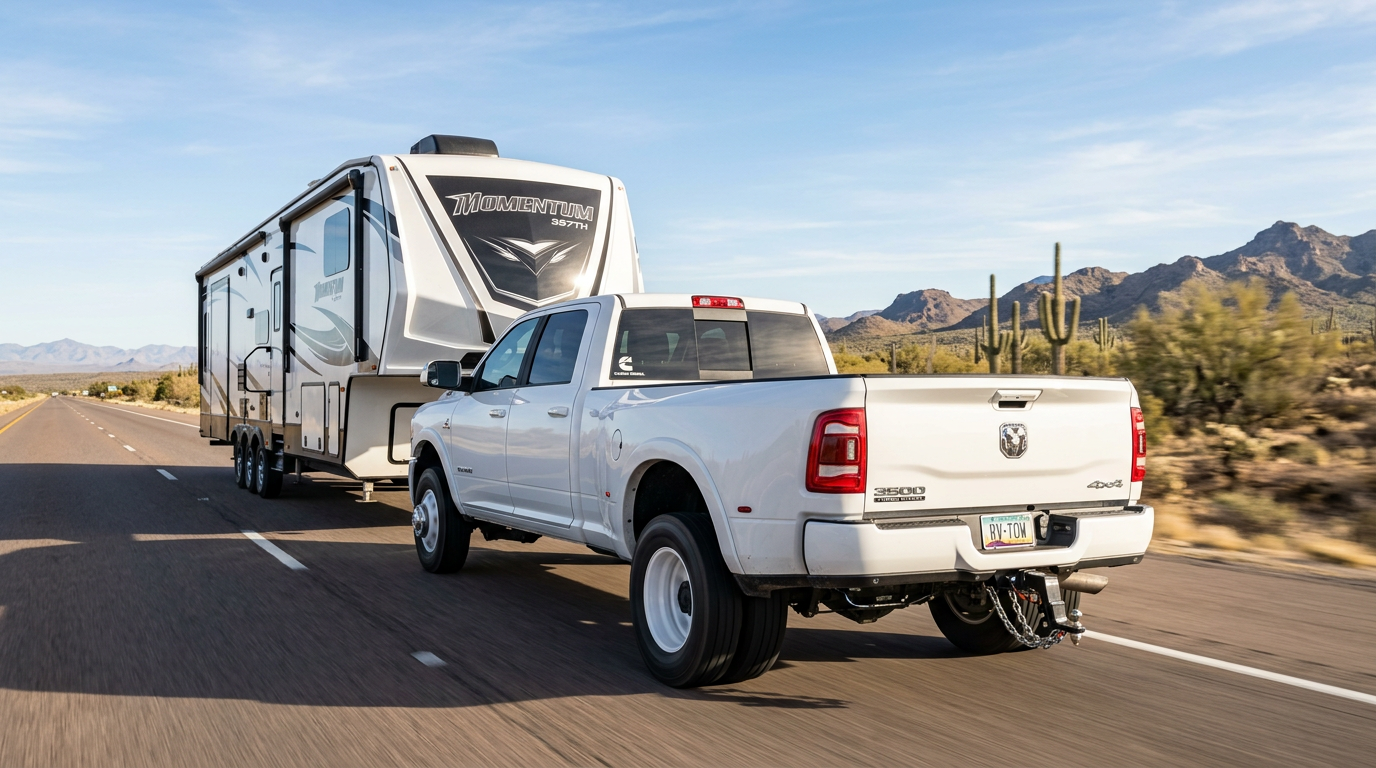
We also recommend checking belts, fan operation, intercooler boots, and clamps before a major trip. A small seep or loose connection might not show up during a quick commute, but it can become obvious when the truck is climbing a grade with a fifth wheel or equipment trailer.
Service the Transmission, Transfer Case, and Differentials
Engine maintenance gets most of the attention, yet the parts transferring power to the ground deserve the same respect. Transmission fluid, transfer-case fluid, differential fluid, U-joints, and wheel bearings all work harder in trucks that tow, haul, run oversized tires, or spend time off pavement.
The factory schedule is the foundation, but actual use matters. A lifted Ram 3500 on large tires or an F-350 dually used for regular fifth-wheel towing may need a more conservative service approach than a lightly used highway truck. If you are shopping for a modified truck, ask exactly what was changed and whether gearing, alignment, suspension components, and driveline angles were addressed correctly.
A Practical Service Rhythm for Diesel Pickup Owners
A consistent inspection routine catches issues when they are still manageable. We do not need to become full-time technicians, but we do need to know what normal looks, sounds, and feels like for our truck.
At Every Fuel Stop or Weekly
- Walk around the truck and look for fresh fluid spots.
- Check for damaged tires, uneven wear, and low pressure.
- Watch the dash for new warning lights or abnormal gauge readings.
- Confirm trailer wiring, hitch hardware, and brake-controller operation before towing.
- Listen for changes in idle quality, turbo sound, steering feel, or braking response.
Monthly or Before a Long Haul
- Inspect engine oil and coolant condition.
- Check DEF level and make sure the filler area is clean.
- Look over charge-air boots, clamps, belts, and visible hoses.
- Check air-filter restriction indicators if equipped.
- Test exterior lighting and inspect trailer connections.
At Every Scheduled Service
- Review fault codes, even if no warning light is currently on.
- Confirm fuel-filter, oil, and emissions-system service history.
- Ask about transmission and differential fluid condition based on actual towing use.
- Inspect brakes, steering, suspension, and driveline components.
- Keep the service receipt with the truck records.
How Maintenance History Should Shape a Used Diesel Purchase
A clean truck can look impressive in photos, but service documentation tells the more important story. When we evaluate a pre-owned diesel, we look beyond the paint, wheels, and lift kit. We want evidence of thoughtful ownership.
Ask for oil-change invoices, fuel-filter records, coolant and transmission service, emissions-related repairs, and a recent diagnostic report. Check for smoke, unusual exhaust odor, rough starts, leaks, warning lights, excessive idle hours, and modifications that do not match the truck’s intended use. A pre-purchase inspection is especially worthwhile on higher-mileage heavy-duty pickups.
If you need a truck that is ready for towing, recreation, or jobsite use, browse our diesel trucks and compare the service history, configuration, cab style, bed length, and towing equipment that fit your plans. A well-maintained stock truck can be the right fit for one buyer, while another may need a purpose-built option from our work truck selection.
Maintenance Mistakes That Can Cost Diesel Owners More
Waiting Until the Truck Drives Differently
By the time a diesel pickup runs poorly, a warning condition may already be well established. We should investigate changes in starting, idling, boost response, fuel economy, temperatures, or warning messages early, rather than hoping they disappear.
Following a Generic Schedule Instead of Your Actual Use
A truck that tows daily, idles at jobsites, runs large tires, or works in desert dust is not living the same life as a lightly used commuter. Maintenance intervals should reflect the manufacturer’s severe-use guidance when it applies.
Buying on Appearance Alone
A lifted Chevrolet Silverado 2500HD or polished GMC Sierra 3500HD can be appealing, but the inspection needs to go deeper. Look for quality suspension components, proper alignment, clean underbody wiring, good tire wear, no driveline vibration, and records that support the asking price.
Find a Diesel Pickup That Is Ready for the Work Ahead
The right truck should fit your towing needs, budget, and ownership plan, not just look good on delivery day. At Unique Trucks, we help buyers compare pre-owned heavy-duty pickups, lifted builds, dually trucks, and work-ready options without pressure. You can view current inventory, use our vehicle finder for a specific configuration, or get pre-qualified before you shop.
Frequently Asked Questions
How often should we change fuel filters on a diesel truck?
Follow the interval in your owner’s manual, then consider earlier replacement for heavy towing, dusty work sites, extended storage, or questionable fuel quality. The key is not to wait for a drivability problem before servicing a fuel filter.
Should we let a diesel truck idle to warm up every day?
Modern diesel pickups generally do not need long warm-up idling periods. Give the engine a brief moment for fluids to circulate, then drive moderately until operating temperature comes up. Extended idle time can add unnecessary soot loading and operating hours.
Can old DEF damage a diesel truck?
Poorly stored or contaminated DEF can contribute to system problems. Keep it sealed, protect it from prolonged extreme heat, use a clean fill container, and never add anything except DEF to the DEF tank.
What should we inspect before buying a used diesel truck?
Review maintenance records, scan for diagnostic codes, check for fluid leaks, inspect tire and suspension wear, and test-drive the truck at highway speed. If it will tow, inspect the hitch, brake controller, cooling system, and transmission service history as well.
Are lifted diesel trucks harder to maintain?
They can be if the lift was poorly designed or poorly installed. Quality parts, correct alignment, suitable gearing, and proper driveline geometry make a major difference. We should also budget for tires, steering components, and suspension inspections that match the build.
Is a diesel truck worth it if we only tow occasionally?
It depends on trailer weight, annual mileage, payload needs, and how long we plan to keep the truck. A gas heavy-duty pickup can make sense for lighter or occasional towing, while a diesel is often compelling for frequent heavy loads, mountain travel, and buyers who value long-distance towing confidence.
The Bottom Line on Protecting Your Diesel Pickup
Consistent service is less exciting than a new lift kit or a fresh set of wheels, but it is what keeps a diesel truck useful for the long haul. Start with clean fuel, correct fluids, a healthy cooling system, and quick attention to warning lights. Those habits support the reliability that makes heavy-duty diesel pickups so valuable in the first place.
About Unique Trucks
Unique Trucks is a family-owned dealership with over 20 years of experience serving truck buyers from Scottsdale, Phoenix, throughout Arizona, and across the United States. The dealership specializes in quality pre-owned lifted trucks, diesel trucks, work trucks, heavy-duty pickups, custom builds, and used SUVs.
The Unique Trucks Team offers competitive financing, trade-ins, vehicle sourcing, and nationwide shipping to help customers find the right truck with a no-pressure buying experience.
Browse the current inventory, get pre-qualified, or call (480) 210-2660 to speak with the Unique Trucks Team today.