How to Choose a Work Truck: Smart Buyer’s Guide for Business
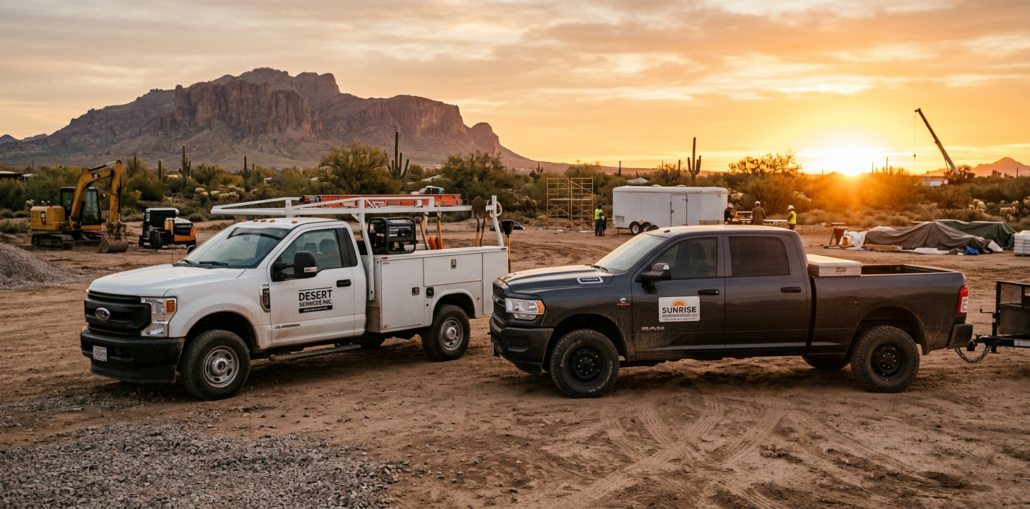
A work truck should make the job easier, not create a new set of daily problems. The right pickup needs to carry your equipment, tow confidently when required, stay comfortable between jobs, and fit a payment that supports your business.
That is why how to choose a work truck starts with the work itself, not the badge on the grille. Whether we are helping a contractor in Scottsdale, a Phoenix business owner, or an out-of-state buyer, we recommend matching the truck’s configuration, powertrain, bed, and condition to the loads and miles it will handle most often.
Start With Your Actual Workday
Before comparing Ford Super Duty, Chevrolet Silverado HD, GMC Sierra HD, or Ram Heavy Duty models, write down what the truck must do during a normal week. A truck that occasionally pulls a trailer has a different job than one that pulls equipment every morning, carries tools all day, and doubles as a mobile office.
Use these questions to build a practical starting point:
- What tools, materials, passengers, and accessories will ride in the truck every day?
- Will you tow a trailer, and what is its loaded weight, not its empty weight?
- How many miles will you drive on pavement, dirt roads, jobsites, or highways?
- Do you need a standard bed, long bed, utility body, gooseneck hitch, or fifth-wheel setup?
- Will the truck be assigned to one driver or shared by a crew?
- Does your business need four-wheel drive, extra cab space, or a dually rear axle?
A useful rule is to buy for the heaviest routine task, then leave a reasonable cushion. Choosing solely for the occasional extreme load can mean paying for more truck, fuel, and tire expense than your business needs. Choosing too little truck can create downtime, poor handling, and a faster path to replacement.
| Work need | Strong starting point | Why it fits | Watch for |
|---|---|---|---|
| Tools and light materials | Half-ton or gas HD | Easier daily driving | Payload limits |
| Heavy supplies and equipment | Three-quarter-ton HD | Strong payload and towing | Bed length |
| Frequent trailer towing | Diesel HD pickup | Torque and highway stability | Higher operating costs |
| Gooseneck or large equipment | One-ton or dually | More rear-axle support | Width and parking |
| Service calls and crews | Crew cab work truck | Passenger and interior space | Shorter bed options |
Match Payload and Towing Capacity Correctly
Payload and towing are related, but they are not interchangeable. Payload is the weight carried in the truck itself, including people, tools, equipment, cargo, a bed cap, and the downward weight placed on the truck by a trailer. Towing capacity is the rated amount the truck can pull when properly configured.
Do Not Shop by a Single Maximum Rating
A truck’s capability changes with engine, drivetrain, cab, bed length, axle ratio, suspension, tires, hitch type, and factory equipment. Two pickups with the same model name can have very different ratings.
Check the door-jamb payload label on the specific truck, then estimate your real working load. Add up passengers, toolboxes, racks, fuel, cargo, and trailer tongue weight. That total needs to fit within the truck’s available payload, not a broad model-line number found online.
If your company hauls equipment or materials across state lines, load securement deserves the same attention as truck selection. The FMCSA cargo securement rules state that the combined working-load limit of a securement system must be at least one-half the cargo weight. The rules apply to commercial motor vehicle operations in interstate commerce, so confirm the requirements that apply to your vehicle, load, and operation.
When a Dually Makes Sense
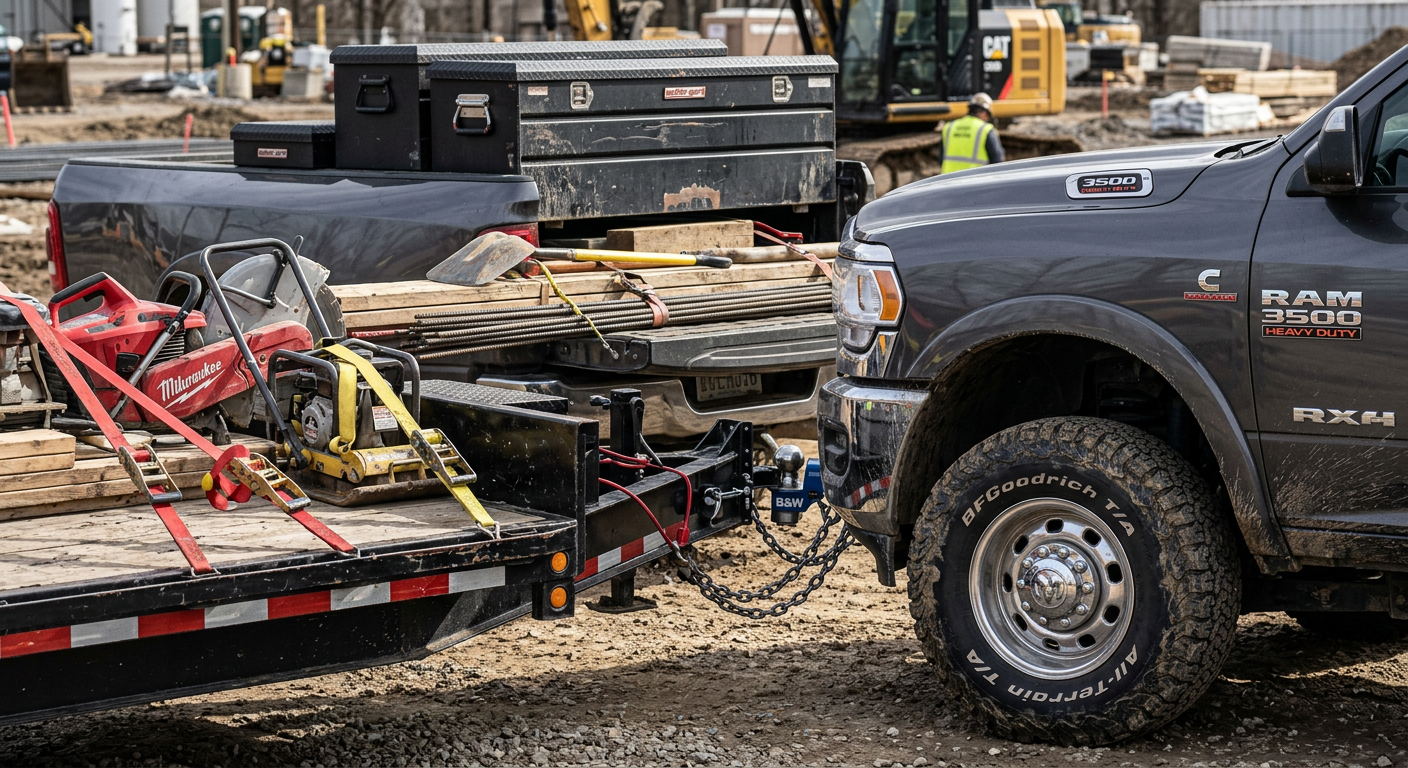
A dual-rear-wheel truck is not automatically the best commercial choice. It is a smart fit when you tow heavy fifth-wheel or gooseneck trailers often, carry serious pin weight, or need greater rear-end stability for demanding work.
For lighter daily-duty jobs, a single-rear-wheel Ford F-250, Ford F-350, Chevrolet Silverado 2500HD, GMC Sierra 2500HD, or Ram 2500 can be easier to park and less costly to equip with tires. The goal is not to own the biggest truck. It is to own the truck that performs confidently without unnecessary compromises.
Choose Gas or Diesel for the Right Reasons
Gas and diesel work trucks both have a place. The better option depends on how consistently you work the truck, how much weight you move, and how you plan to keep it in service.
Gas Work Trucks
A gas-powered pickup is often a strong choice for service businesses, local delivery work, lighter trailers, and owners who want a simpler purchase path. Gas trucks can be less expensive up front, and they make sense when the vehicle has frequent short trips, long idle periods, or modest towing demands.
Modern heavy-duty gas engines can handle meaningful work. A gas Ford Super Duty, Silverado HD, Sierra HD, or Ram Heavy Duty can be the practical answer for electricians, landscapers, plumbers, property managers, and small contractors whose loads stay within the truck’s ratings.
Diesel Work Trucks
Diesel makes the most sense for regular heavy towing, long highway miles, major payload demands, and operators who value low-end torque. Cummins, Duramax, and Power Stroke diesel pickups are popular with buyers pulling enclosed trailers, equipment trailers, RVs, and commercial loads.
Diesel ownership also requires an honest budget. Fuel, maintenance, emissions-system components, insurance, and repairs can cost more. If you will only tow a heavy trailer a handful of times each year, a gas truck may provide better overall value. Buyers who tow hard every week often appreciate the relaxed pulling power and highway confidence of a diesel.
You can compare available heavy-duty options through our diesel truck selection or explore purpose-built used work trucks based on your daily requirements.
Pick the Cab, Bed, and Drivetrain for Efficiency
The truck body style affects productivity every day. It is easy to get caught up in trim packages, but cab layout and bed configuration often matter more on the job.
Cab Size
- Regular cab: Best for buyers prioritizing bed length, maneuverability, and a lower purchase cost.
- Extended or double cab: A good middle ground for occasional passengers and secure interior storage.
- Crew cab: Best for crews, family use, rear-seat storage, and long-distance comfort.
Bed Length
A long bed gives you more room for materials and can be especially useful for towing with a gooseneck or fifth-wheel trailer. A short bed can be easier to maneuver in tight neighborhoods and crowded job sites. If you need both a crew cab and long bed, expect a larger turning radius and make sure it fits where you park and work.
Two-Wheel Drive or Four-Wheel Drive
Two-wheel drive may work well for highway-based operations and can reduce weight and complexity. Four-wheel drive is valuable for Arizona job sites, unpaved access roads, steep terrain, muddy conditions, and buyers who travel beyond the Southwest. It is a capability decision, not a style choice.
Inspect a Used Work Truck Like a Business Asset
A pre-owned work truck can deliver excellent value, especially when you focus on condition and service history instead of simply chasing the newest model year. We recommend treating the inspection like an investment review.
Check the Areas That Affect Uptime
Ask to inspect or verify:
- Service records and vehicle-history information
- Tire condition, matching tire sizes, and uneven wear
- Suspension components, steering feel, brakes, and alignment
- Hitch receiver, trailer wiring, brake controller, and bed condition
- Signs of excessive rust, leaks, collision repairs, or hard-use damage
- Diesel emissions components and maintenance documentation, when applicable
- Aftermarket lifts, wheels, lighting, auxiliary tanks, toolboxes, and wiring
A lifted work truck can be a useful fit for rough terrain or a distinctive business build, but the lift needs to be appropriate for the intended payload and towing plan. Ask how the suspension was installed, whether alignment records are available, and whether the tires and gearing match the truck’s use.
Set a Total Cost Budget Before You Test Drive
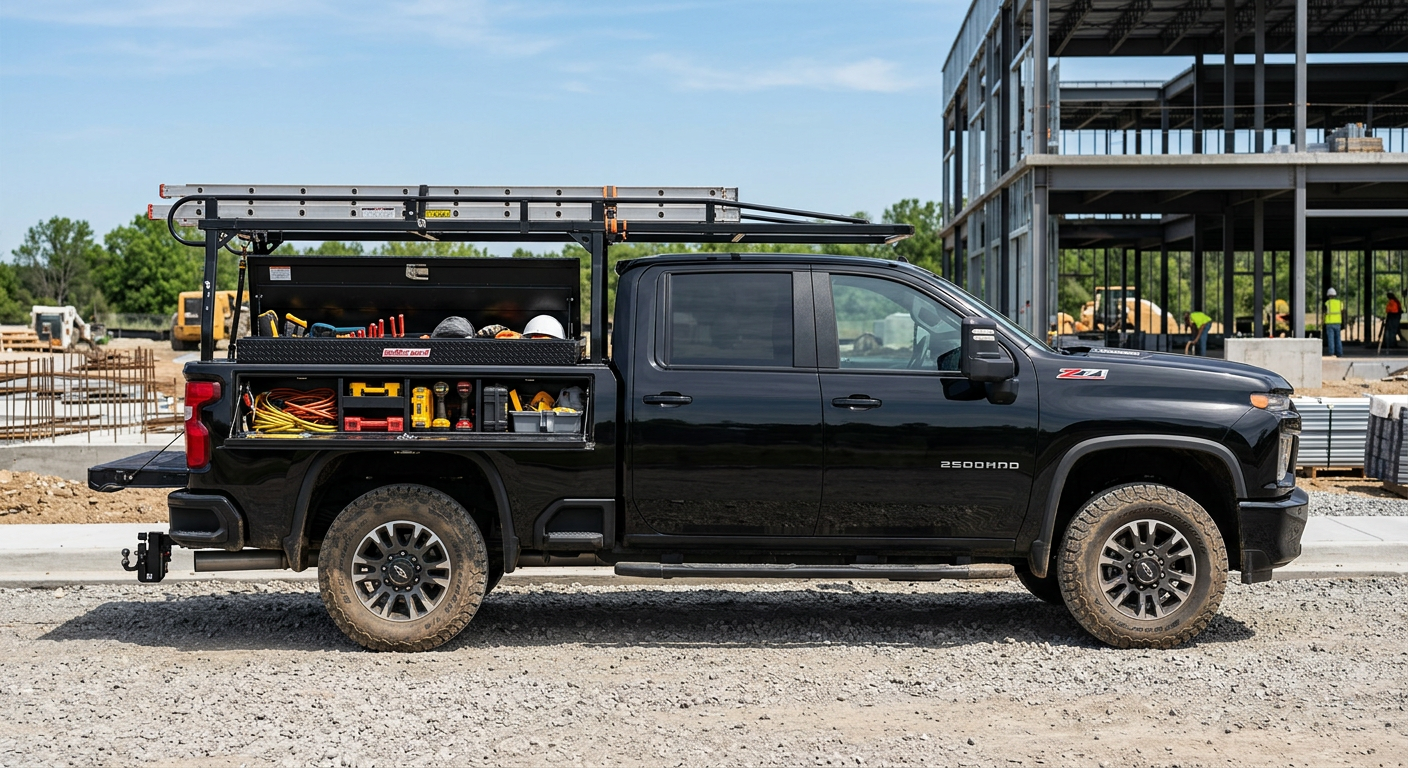
The purchase price is only one part of the decision. A realistic work-truck budget includes insurance, taxes, registration, fuel, maintenance, tires, possible upfitting, and financing cost.
For a business buyer, a lower payment is not always the lowest-cost choice. A truck that is underpowered for the job may burn more fuel under load, wear components faster, and create expensive downtime. On the other hand, paying for diesel capability you rarely use can strain cash flow without delivering a useful return.
If you are replacing an existing vehicle, get a clear estimate for its trade value first. You can sell or trade your current vehicle and apply its value toward a truck that better supports your operation. For buyers planning a purchase, our truck financing options can help you compare a payment that works with your business budget.
Take a Work-Focused Test Drive
A quick drive around the block is not enough. During a test drive, pay attention to how the truck brakes, shifts, steers, rides over uneven pavement, and handles at highway speed. Test the cameras, trailer-brake controller, infotainment, air conditioning, and every power accessory you will rely on during a long day.
Bring the gear you can safely bring. Sit in every seat your crew will use. If you regularly tow, confirm the hitch setup, connector, mirrors, axle configuration, and ratings before you commit. A work truck should feel easy to operate, because fatigue and inconvenience add up over hundreds of workdays.
Find the Right Work Truck With Less Guesswork
At Unique Trucks, we help buyers compare pre-owned work trucks, diesel pickups, heavy-duty models, and custom builds based on the work they actually do. Browse our current truck inventory, use our Vehicle Finder if you need a specific configuration, or get pre-qualified before narrowing your choices.
If you are outside Arizona, our nationwide truck shipping options can make it easier to buy the right pickup without limiting your selection to your immediate area. Call (480) 210-2660 to discuss the truck, bed, cab, engine, and towing setup that fits your business.
Frequently Asked Questions
What size work truck should we buy?
Buy the smallest truck that safely handles your normal loaded payload and trailer weight with room to spare. Half-ton trucks can suit lighter service work, while three-quarter-ton and one-ton heavy-duty pickups are better for frequent equipment towing, larger payloads, and demanding commercial use.
Is a diesel work truck worth the added cost?
Diesel is often worth it for frequent heavy towing, long-distance travel, and sustained loads. A gas truck can be the better value for local service work, lighter trailers, shorter trips, and buyers who do not need diesel torque every week.
Should we choose a crew cab or a long bed?
Choose a crew cab when you routinely carry employees, customers, or secure interior gear. Choose a long bed when material capacity, tool storage, or gooseneck and fifth-wheel towing is more important. Some heavy-duty configurations provide both, but they are longer and less maneuverable.
Do we need a dually for work?
A dually is best for serious gooseneck or fifth-wheel towing, substantial pin weight, and heavy commercial loads. For many contractors, a single-rear-wheel heavy-duty truck delivers plenty of capability with easier parking and lower tire replacement costs.
What should we inspect before buying a used work truck?
Review maintenance history, tire wear, suspension, brakes, steering, bed condition, hitch equipment, trailer wiring, and signs of hard use or poor repairs. On a diesel, pay close attention to documented service and the condition of emissions-related components.
Can we finance a used truck for business use?
Yes. Approval and terms depend on factors such as credit profile, income, down payment, trade equity, the truck’s age, mileage, and value. Start with pre-qualification, then compare the total loan cost and payment against your actual business cash flow.
The Best Work Truck Is the One That Keeps You Productive
When we explain how to choose a work truck, the answer is rarely about one brand or one engine. The best choice is the truck that safely handles your real payload and towing needs, fits the way your crew works, and stays reasonable to own over time.
Take the time to define your job requirements, compare exact truck configurations, inspect condition carefully, and test drive with purpose. That approach will help you choose a pickup that earns its place in your business instead of becoming another expense to manage.
About Unique Trucks
Unique Trucks is a family-owned dealership with over 20 years of experience serving truck buyers from Scottsdale, Phoenix, throughout Arizona, and across the United States. The dealership specializes in quality pre-owned lifted trucks, diesel trucks, work trucks, heavy-duty pickups, custom builds, and used SUVs.
The Unique Trucks Team offers competitive financing, trade-ins, vehicle sourcing, and nationwide shipping to help customers find the right truck with a no-pressure buying experience.
Browse the current inventory, get pre-qualified, or call (480) 210-2660 to speak with the Unique Trucks Team today.